CZ Correa Forming Machine: Structural Steel Sections for Global Construction
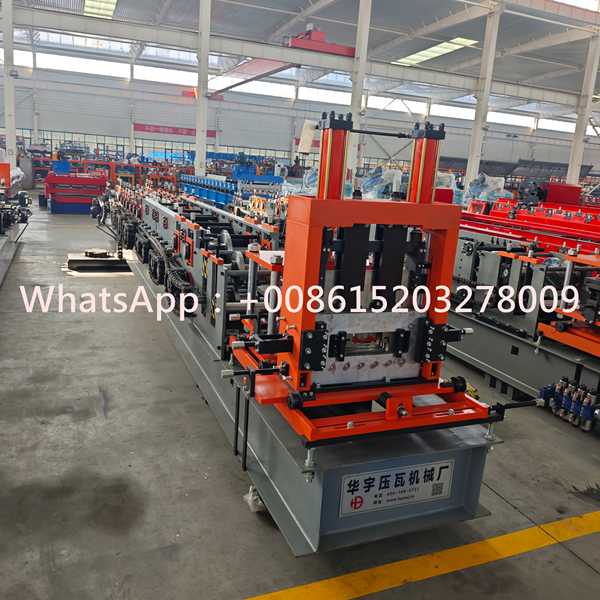
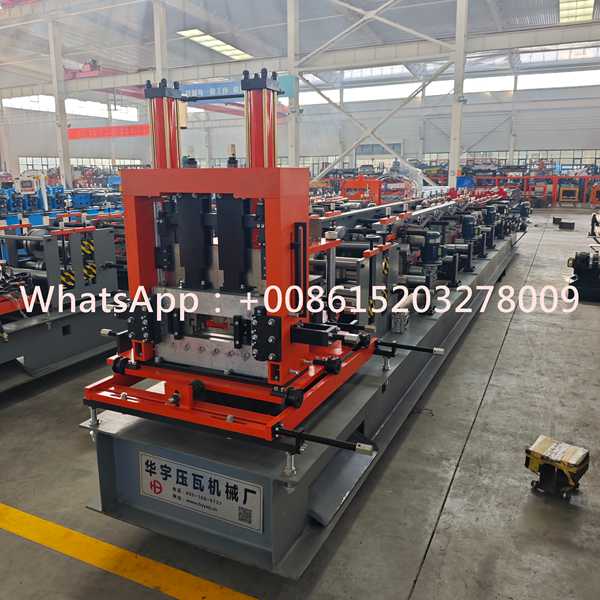
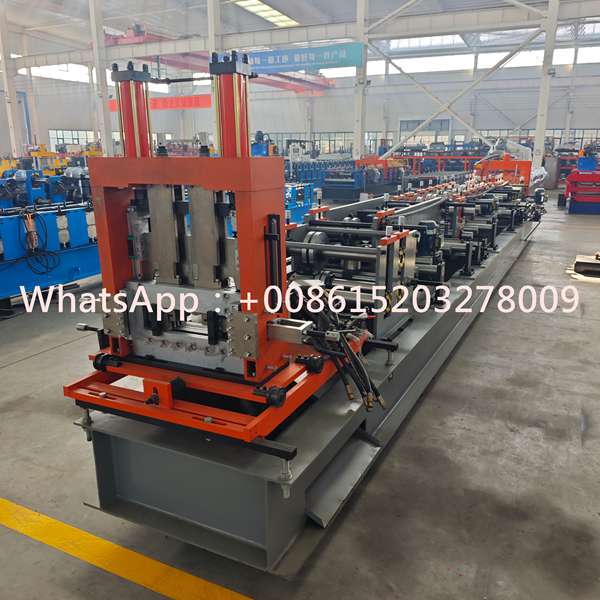
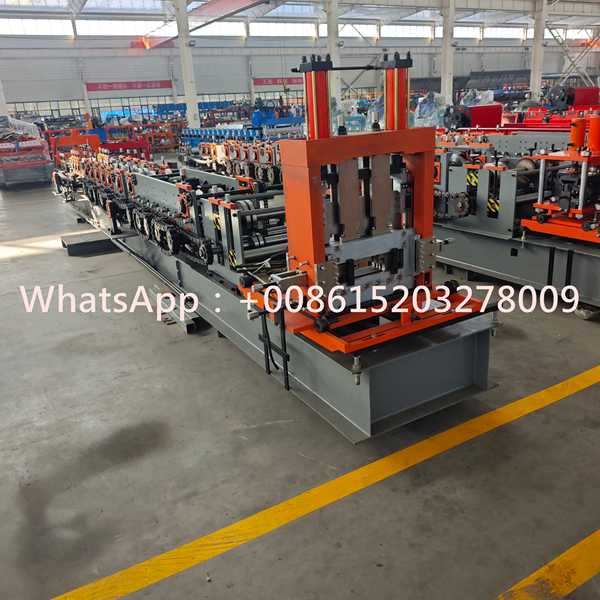
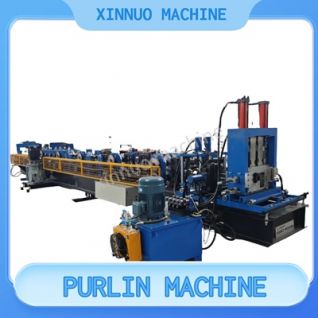
In structural steel construction across Latin America, Southern Europe, and global export markets, the term correa refers to the cold-formed purlins and rails that carry roof sheeting and wall cladding loads between primary frames. Producing these sections efficiently — across a range of depths, gauges, and profile orientations — requires a machine purpose-built for the task. This CZ correa forming machine integrates a servo-controlled forming drive, a dual-profile roller configuration, and a programmable cutting system into a single continuous production line, enabling manufacturers to supply both C-section and Z-section correas from one piece of equipment without time-consuming manual changeovers.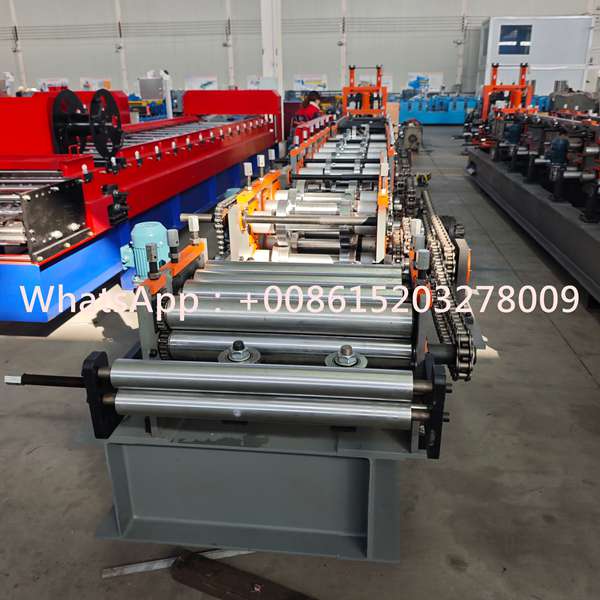
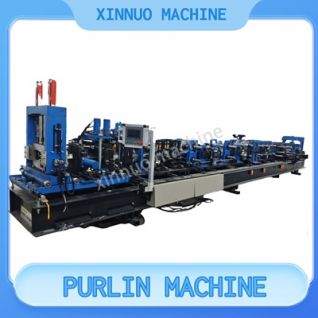
Machine Architecture and Production Flow
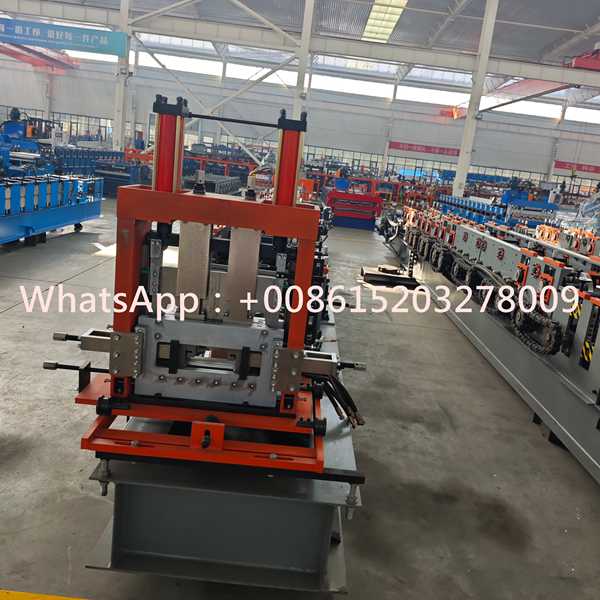
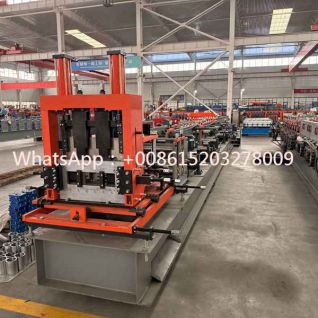
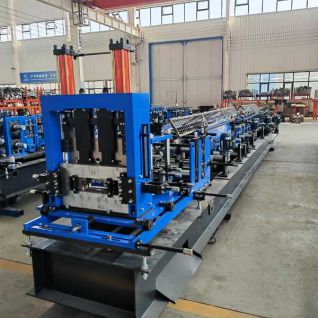
Steel coil is loaded onto the manual or hydraulic decoiler and fed under controlled tension through the entry guide and leveling section. A 3-up / 4-down leveling roller arrangement flattens coil-set from the strip before it enters the main forming train. The forming station consists of twelve precision-machined roller pairs that progressively shape the flat strip into the programmed cross-section — C or Z — through incremental cold bending. Six additional auxiliary rollers in the final forming zone correct minor springback and refine profile geometry before the material reaches the cutting station.
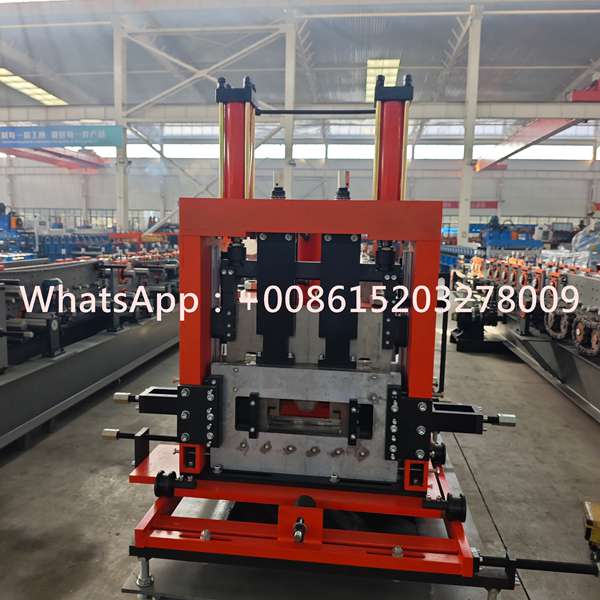
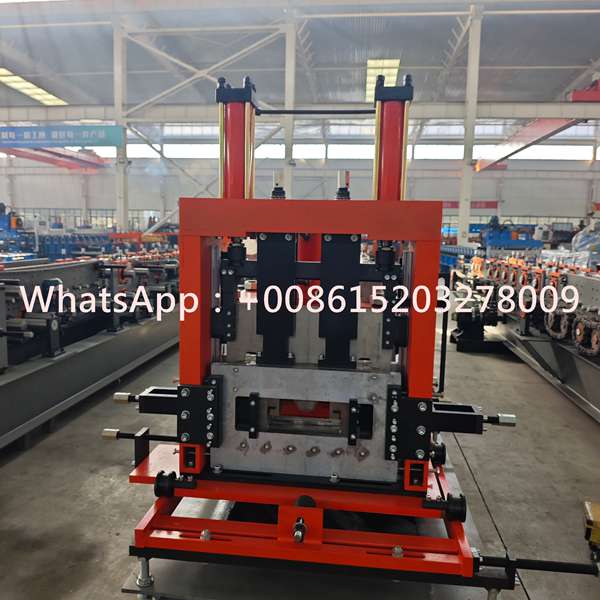
The hydraulic cutting unit, sharing the same 22 kW hydraulic power station as the punching system, shears each correa section to the programmed length after forming. Because the cutting die is adjustable, blade changes are not required when switching between profile depths — a significant time saving in mixed-order production environments. All parameters, including profile dimensions, cut length, and batch count, are entered and stored via a touchscreen PLC interface.
Technical Specifications
All dimensional specifications above are derived from verified production quotation data. Confirm final parameters with the technical team at order stage, particularly for non-standard coil widths or material grades above Q355.
Application Scenarios
- Industrial and commercial construction — C and Z correa sections as secondary framing members supporting metal roof and wall cladding on steel portal frame buildings
- Agricultural structures — lightweight correa sections for crop storage facilities, equipment sheds, and covered livestock yards where pre-coated coil inputs provide corrosion resistance
- Solar photovoltaic mounting — custom-punched correa channels used as ground-mount and rooftop PV racking rails; punching positions and dimensions programmable on-machine
- Mezzanine floor framing — Z-section correas as floor joist members in industrial mezzanine decking systems
- Prefabricated building systems — standardized cut-to-length correa sections for flat-pack steel building kits supplying construction contractors across export markets
- Steel component distributors — batch production of multiple profile depths from a single machine, enabling distributors to hold inventory across the full correa size range
Customization Options
- Profile geometry to drawing: Web height, flange width, and lip dimensions specified at order stage; roller sets machined to your confirmed section drawing
- Automatic C-to-Z switching module: Optional servo-driven profile-switching system enables one-touch changeover between C and Z output — no manual roller adjustment required between production runs
- Punching configuration: Hole size, pitch, and position (bottom face / web face) programmed via PLC; up to two independent punching groups standard
- Pre-cut shear device: Trims the leading strip end before forming begins each new batch — saves approximately one machine-length of material per profile change
- Decoiler upgrade: 5-tonne hydraulic decoiler with or without coil loading trolley available as line extension
- Automatic stacking: 6-metre or 12-metre automatic palletizer available for high-volume production environments
- Remote monitoring module: Internet-connected PLC enables the engineering team to access, diagnose, and adjust electrical control parameters remotely — minimizing production downtime
- Voltage configuration: Power supply adapted for local grid standards at order stage; full electrical system modification available
Manufacturing Quality Standards
Every forming roller passes through a defined manufacturing sequence before assembly: raw forging → first-pass CNC turning → quench hardening → second-pass precision CNC → keyway machining → chrome plating to 0.05 mm layer thickness. Roller hardness is verified at 58–62 HRC, and inner/outer diameters are inspected against tolerance limits before the roller is cleared for assembly. The machine frame is gantry-milled as a single unit after welding — eliminating the flatness variation that results from the two-section fabrication method used by smaller manufacturers — and all mid-plate bore positions are CNC-drilled for shaft alignment accuracy.
The paint system follows a four-stage sequence: full sand-blasting to remove mill scale and oxidation, two-coat rust-inhibiting primer, and two-coat topcoat finish. This sequence is applied whether or not the variation is visible to the customer — because the purpose is long-term corrosion resistance in production environments, not appearance at point of delivery.
After-Sales Support
- Pre-shipment factory test: Machine runs a complete production cycle using your specified material thickness and section before dispatch; test samples provided for dimensional verification
- Operation documentation: Detailed video walkthrough covering startup, dimension adjustment, profile switching, punching setup, and scheduled maintenance — delivered with the machine
- 7×24 remote support: Engineering team available around the clock via video call or remote PLC access to diagnose and resolve operational issues
- On-site commissioning: Engineer dispatch to the installation site available; buyer covers travel, visa, and daily engineering fee
- Warranty: 12-month full-machine warranty against manufacturing defects (non-operator-damage); replacement components supplied at no charge within the warranty period
- Lifetime technical support: Engineering assistance provided beyond the warranty period — spare parts supplied at factory cost price after expiry