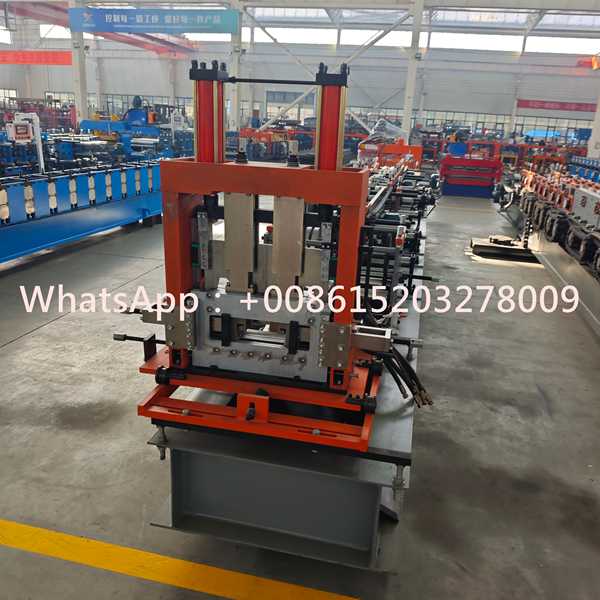
Processes demanding structural steel grades for heavy-duty framing components
Reinforced forming equipment supports stable continuous industrial operation
Controlled deformation helps maintain reliable section geometry under production loads
Precision cutting delivers consistent member lengths for construction assembly
Automated processing reduces repetitive handling during large production batches
Tooling can match different load-bearing section designs and dimensions
Ideal for warehouses, industrial plants, and heavy steel structures
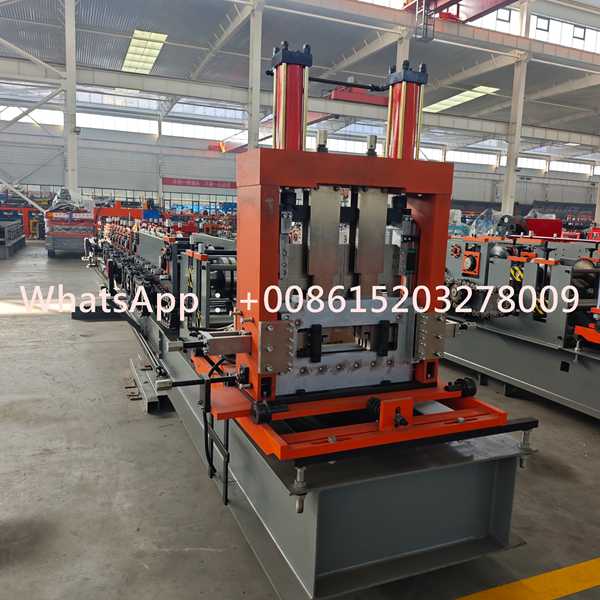
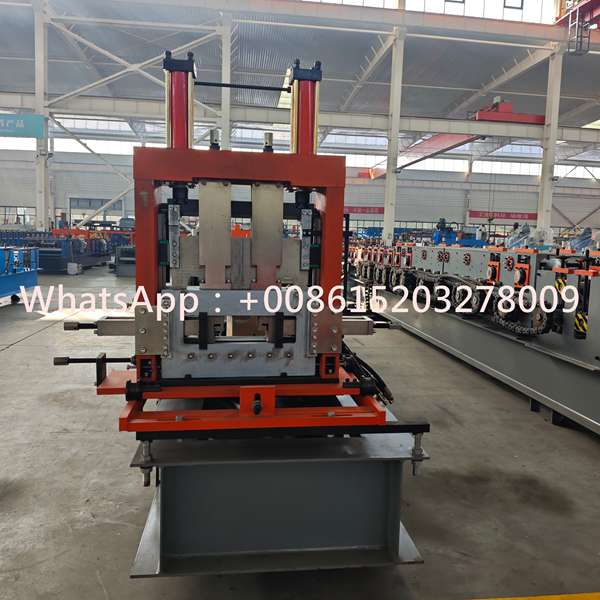
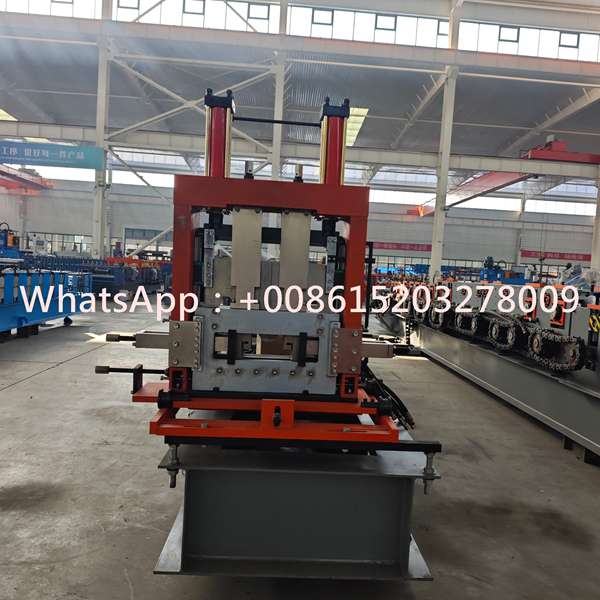
A heavy-duty forming solution engineered for producing structural purlins from high-strength steel materials used in demanding building applications.
Modern steel construction increasingly requires structural components that combine efficient material usage with dependable load-bearing performance. High-strength steel purlins can provide an effective solution for projects where structural requirements, span considerations, or overall building efficiency place greater demands on secondary framing members.
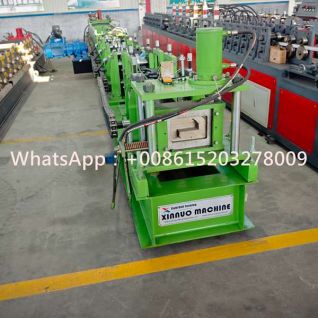
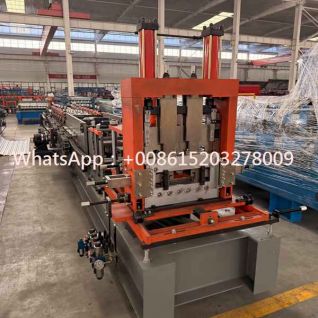
This purlin forming machine is designed around the processing requirements of higher-strength structural steel. The production line converts steel coil into finished C or Z-shaped purlins through a controlled sequence of feeding, forming, optional punching, and automatic cutting.
Processing higher-strength material requires careful consideration of roller geometry, shaft strength, machine alignment, transmission capacity, material thickness, and forming forces. The machine configuration can therefore be selected according to the customer's actual steel grade and profile drawing rather than treating all steel materials as having identical forming characteristics.
The production system can be engineered for selected structural steel grades and thicknesses. Final tooling, drive configuration, forming stations, and processing equipment are determined according to the required material properties and finished profile.
| Parameter | Reference Specification |
|---|---|
| Machine Type | High Strength Steel Purlin Roll Forming Machine |
| Profile Type | C Purlin / Z Purlin |
| Raw Material | Structural Steel Coil |
| Material Grade | Selected according to customer structural requirements |
| Material Thickness | Approximately 1.5–3.2 mm |
| Web Height | Approximately 40–80 mm reference configuration |
| Lip Dimension | Approximately 10–20 mm reference configuration |
| Forming Speed | Approximately 10–20 m/min |
| Control Method | PLC-based automatic control |
| Punching System | Optional according to structural connection requirements |
| Cutting Method | Automatic cut-to-length configuration |
| Machine Configuration | Customized according to steel grade and profile drawing |
Note: Final specifications depend on the selected steel grade, yield strength, material thickness, profile dimensions, punching requirements, production speed, and customer application.
High-strength steel is manufactured to provide greater mechanical strength than conventional structural grades. Its higher yield strength can allow structural designers to achieve required performance with optimized material usage, depending on the engineering design and applicable building standards.
However, higher-strength material can also present different forming characteristics. The increased resistance to deformation may require greater forming force and more carefully designed tooling. Roller diameter, forming sequence, shaft dimensions, transmission capacity, and machine rigidity all become important when developing a production line for demanding steel grades.
For this reason, the machine should be selected based on actual material data rather than simply using the nominal thickness as the only design parameter. Steel grade, yield strength, tensile strength, elongation, coil width, thickness tolerance, and profile geometry can all influence the final forming configuration.
A rigid machine structure provides a stable foundation for continuous profile production. The forming section is designed to maintain the relative position of the rollers while the steel strip passes through successive stations.
For high-strength material, maintaining machine alignment is especially important because greater forming resistance can place additional demands on the forming tooling and drive system. A properly engineered frame, adequate shaft support, suitable bearings, and correctly sized transmission components contribute to stable operation.
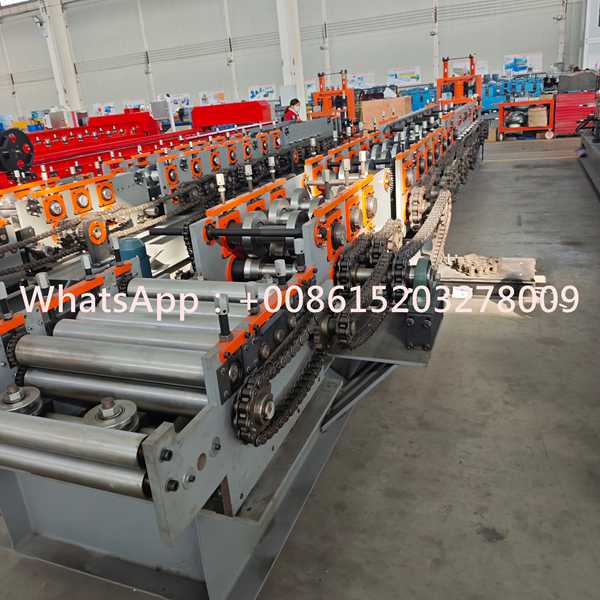
The forming rollers are arranged to introduce the required bends progressively. This allows the material to move through the line while the cross-section gradually develops toward the final C or Z geometry.
The production cycle starts with loading the structural steel coil onto the decoiler. The coil is then released into the feeding section, where guiding equipment establishes the correct material path toward the forming stations.
Depending on the configuration, leveling equipment may be incorporated before forming. This helps stabilize the incoming strip and provides a more controlled starting condition for the subsequent bending process.
The steel strip then passes through a series of forming rollers. Each station introduces a controlled amount of deformation. The gradual sequence is important because it allows the required section to develop over multiple stages rather than forcing the entire geometry at one point.
When structural connection holes are required, an integrated punching unit can process the strip according to the specified hole pattern. Hole positions can be determined from the customer's engineering drawings and coordinated with the production length.
The formed section finally enters the cutting unit, where automatic length control allows finished members to be produced according to programmed dimensions. The completed purlins can then be collected for inspection, bundling, transportation, or installation.
Structural purlins need consistent geometry to fit correctly within a steel framing system. The dimensions of the web, flanges, lips, holes, and finished lengths can all influence the ease of assembly on site.
High-strength steel forming places particular emphasis on stable roller positioning. If the forming stations are not correctly aligned, the greater resistance of the material may amplify problems such as profile deviation, flange distortion, or lateral movement.
Machine commissioning therefore includes checking the material path and comparing trial-produced profiles with the approved technical drawing. Adjustments can be made to roller alignment and production parameters to establish a suitable operating condition for the specified material.
The PLC-based control system provides centralized management of the main production functions. Operators can enter relevant production parameters and monitor the operating status through the control interface.
Automatic cut-to-length control helps reduce repetitive measurement and manual cutting work. When the same profile is produced in batches, stored or repeatable production parameters can also make order processing more convenient.
Higher levels of automation can be incorporated when required. Depending on the machine design, options may include automatic profile adjustment, coordinated punching, multiple profile production, automatic length setting, and other functions intended to reduce operator intervention.
High-strength purlins are particularly relevant to construction projects where structural performance and efficient use of steel are important. The finished C and Z sections can be used as secondary members in a variety of steel framing systems.
Suitable for roof and wall framing components in logistics and industrial storage facilities.
Supports fabrication of structural members for manufacturing and processing facilities.
Provides repeatable framing sections for workshop and commercial steel building projects.
Can be configured for selected projects requiring stronger structural steel framing members.
There is no single machine configuration that is ideal for every high-strength steel application. Different steel grades can have different yield strengths and forming characteristics, while different purlin profiles require different roller geometries.
The machine can therefore be customized according to the customer's material specification and profile drawing. Engineering considerations may include material thickness, steel grade, coil width, web height, flange dimensions, lip configuration, punching pattern, finished length, and target production speed.
Customers can provide a CAD drawing or detailed profile dimensions during the quotation stage. This information allows the forming section and processing equipment to be matched to the intended product before manufacturing begins.
Additional customization may include decoiler capacity, machine layout, cutting configuration, electrical supply, control functions, safety guarding, output table design, and production line integration.
Quality control begins with verification of the incoming steel coil. Material certificates and coil specifications should be checked against the requirements established for the production order.
During trial production, the finished profile can be measured at several points to verify web height, flange dimensions, lip geometry, overall width, hole position, and finished length. These checks provide useful feedback for final machine adjustment.
Once stable production parameters have been established, periodic inspection can help identify dimensional changes caused by material variation, roller wear, machine movement, or incorrect adjustment. Maintaining consistent operating conditions is an important part of producing structural components reliably.
Installation begins with positioning the machine according to the agreed production layout. The equipment is checked for level, mechanical connections, material alignment, electrical connections, and control-system operation before trial production.
Trial forming is carried out using the specified material and target profile. This stage provides an opportunity to verify the forming sequence, cutting length, punching position, and finished cross-section.
Operators can be guided through machine startup, production settings, profile adjustment, daily inspection, lubrication, cleaning, and basic troubleshooting. Proper operator training can help maintain stable machine operation and reduce avoidable production interruptions.
Regular maintenance is particularly important when processing materials with higher forming resistance. Forming rollers, shafts, bearings, transmission components, cutting tools, fasteners, and electrical connections should be inspected according to the operating schedule.
Lubrication should be carried out using suitable products and at appropriate intervals. Operators should also monitor abnormal vibration, unusual noise, material tracking changes, or profile dimensional variation, as these may indicate that inspection or adjustment is required.
Keeping the machine clean and properly aligned helps support stable operation. Preventive maintenance can reduce unexpected downtime and extend the service life of mechanical and electrical components.
This high-strength purlin roll forming machine provides a controlled manufacturing solution for structural steel fabricators producing C and Z purlins from demanding steel grades. With a reinforced forming concept, automated processing, customizable tooling, optional punching, and precise cut-to-length production, the system can be configured for a wide range of industrial steel construction requirements.
Xinnuo Roll Forming Machine Co., Ltd., established in 1995, is a leading enterprise specializing in the design, development, manufacturing, and sales of various cold roll forming equipment.
Located in Botou Economic Development Zone, the company benefits from a well-developed electromechanical manufacturing industry and a complete industrial chain...[ Read More >>]