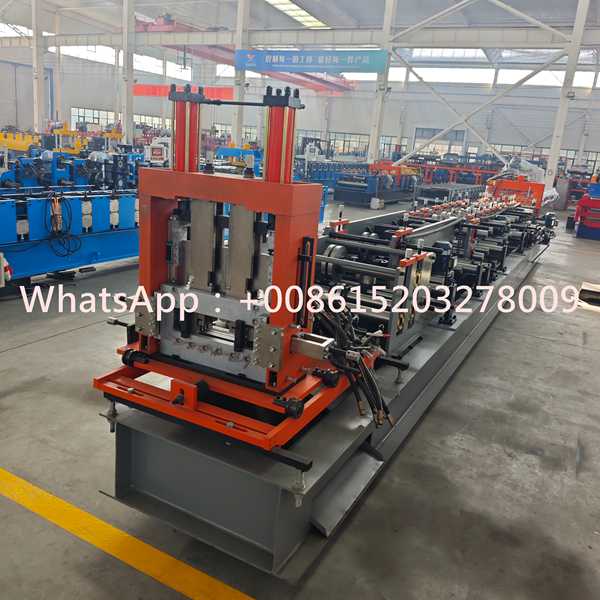
Prepared for European-oriented machinery compliance and documentation requirements
Reinforced construction supports demanding industrial production environments
Safety-focused electrical and mechanical design improves operator protection
Consistent section geometry supports reliable downstream steel structure assembly
Continuous processing helps maintain efficient material utilization during production
Flexible profile settings accommodate different structural framing specifications
Suitable for warehouses, workshops, factories, and prefabricated steel buildings
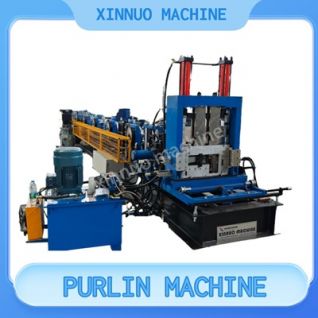
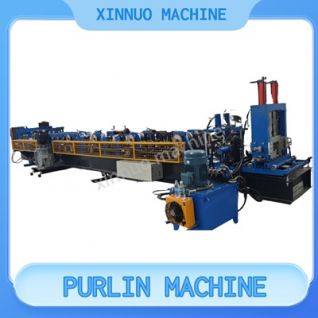
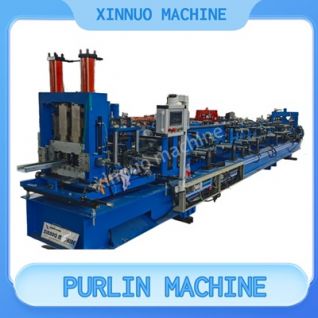
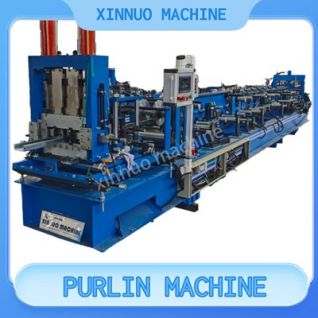
A safety-conscious structural steel forming solution developed for manufacturers requiring reliable C and Z purlin production with European-oriented compliance considerations.
When steel fabrication equipment is supplied to European markets, machinery compliance and production performance need to be considered together. A CE-oriented CZ purlin roll forming machine is designed not only around profile production requirements but also around the safety, documentation, electrical, and technical considerations associated with machinery placed on the European market.
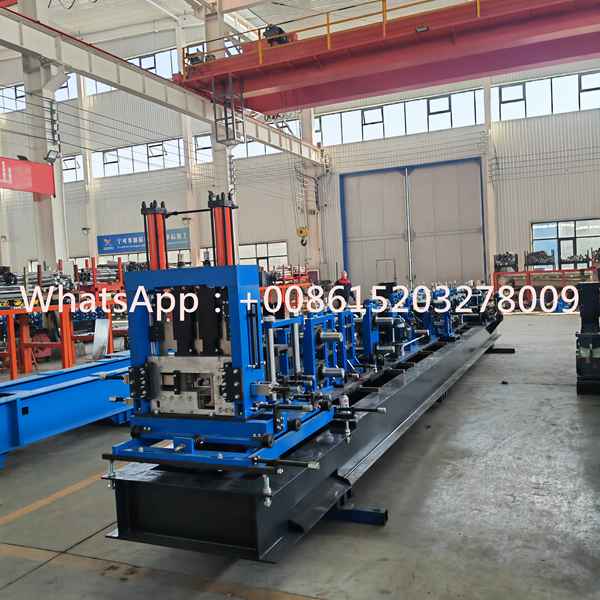
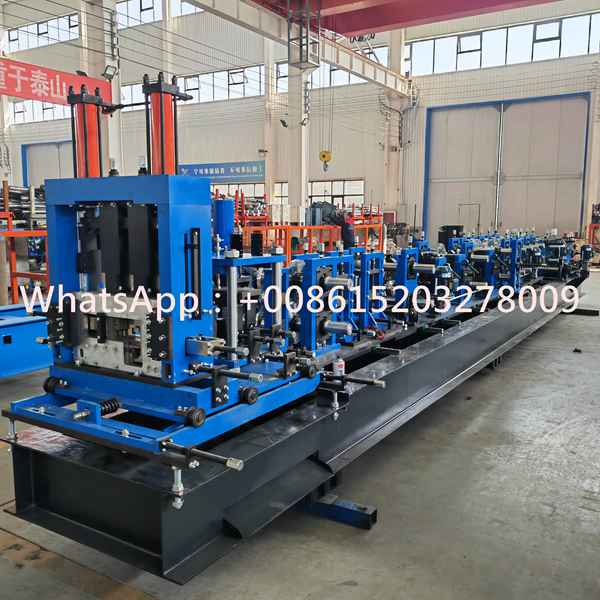
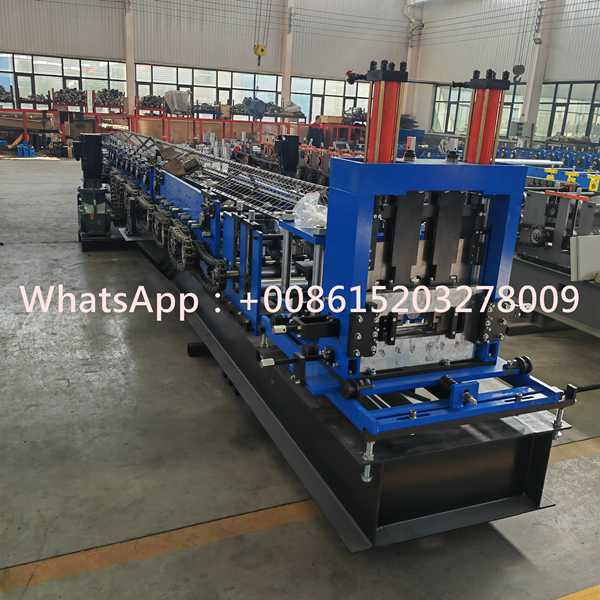
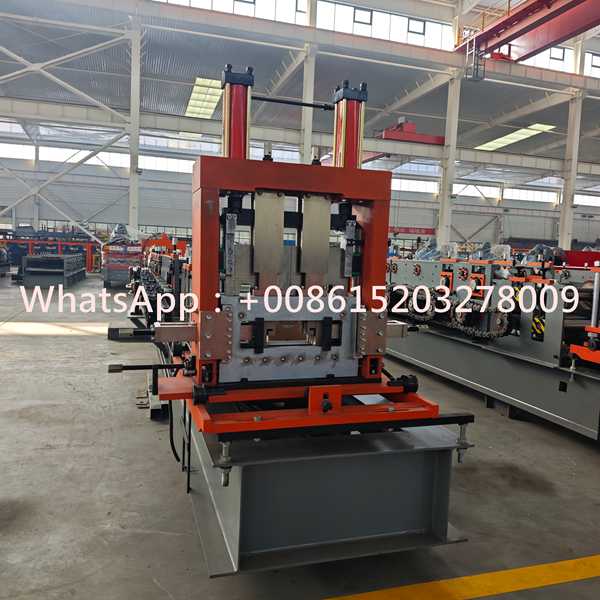
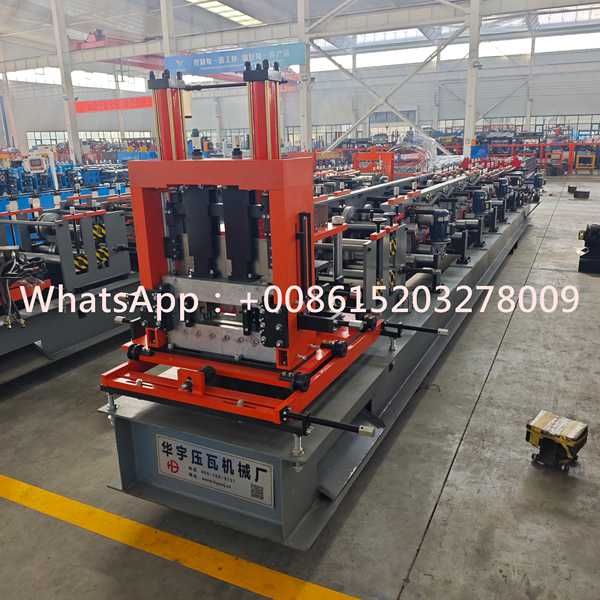 The machine is intended for continuous production of C and Z structural purlins from steel coil. Through a controlled sequence of feeding, leveling, forming, optional punching, and cutting operations, flat steel is transformed into finished structural members with a repeatable cross-sectional shape.
The equipment can be configured according to the required purlin dimensions, material thickness, hole arrangement, finished length, production speed, and factory conditions. This makes it suitable for steel structure manufacturers serving different construction projects while maintaining a production system focused on repeatability and controlled operation.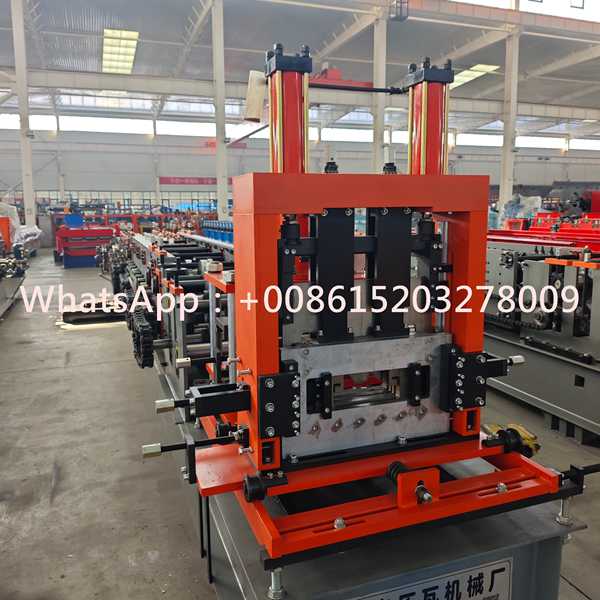
Machinery supplied for the European market may need to meet applicable EU product requirements before being placed on the market or put into service. CE marking is a manufacturer's declaration that the applicable EU requirements have been met; it is not, by itself, an EU government approval or a general safety certificate.
| Parameter | Reference Specification |
|---|---|
| Machine Type | CZ Purlin Roll Forming Machine |
| Profile Type | C Purlin / Z Purlin |
| Profile Width | Configured according to customer profile requirements |
| Reference Web Height | Approximately 40–80 mm for the applicable configuration |
| Reference Lip Size | Approximately 10–20 mm |
| Material Thickness | Approximately 1.5–3.2 mm |
| Suitable Material | Galvanized or structural steel coil |
| Forming Speed | Approximately 10–20 m/min |
| Control | PLC-based automatic control system |
| Punching | Optional, according to structural connection drawings |
| Cutting | Automatic length cutting according to configuration |
| Compliance Documentation | Prepared according to applicable machinery requirements and final configuration |
Note: Final specifications depend on the selected profile drawing, material grade, thickness, punching pattern, production speed, electrical standard, and customer requirements.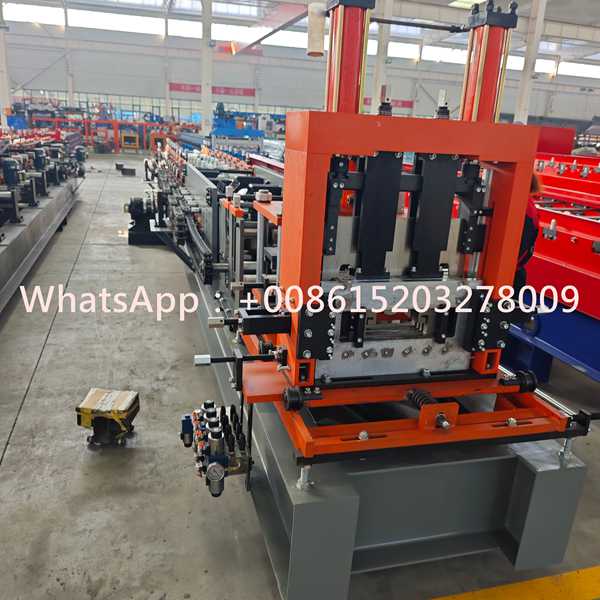
CE marking is relevant to products covered by specific harmonized EU rules. For machinery, the applicable requirements must be identified and the appropriate conformity assessment procedure completed before the CE marking is affixed. The manufacturer is responsible for ensuring that the machinery complies with the applicable EU requirements.
For a machinery project, compliance is therefore not limited to placing a CE logo on the equipment. The technical design, risk assessment, safety measures, documentation, instructions, and declaration of conformity all form part of the overall compliance process. The exact requirements depend on the machine configuration and the EU legislation applicable to the product.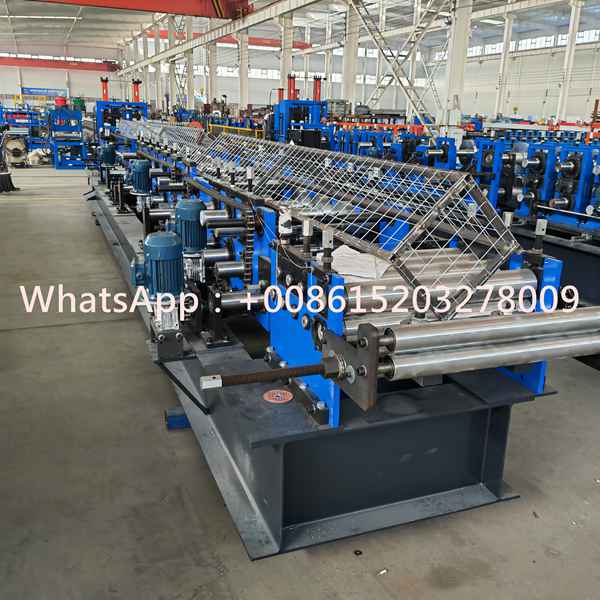
Where a notified body is legally required for the applicable conformity assessment procedure, its identification number must accompany the CE marking. Whether third-party assessment is required depends on the applicable EU rules and the machinery category rather than simply on the customer's request for a CE label.
Production begins when the steel coil is loaded onto the decoiling section. The strip is released in a controlled manner and guided toward the feeding mechanism. Proper alignment at this stage helps establish a stable material path through the complete production line.
The material then enters the forming stations. Instead of bending the strip into its final geometry in a single operation, the roller stations progressively introduce the required bends. This staged process allows the C or Z profile to develop gradually while maintaining a controlled material path.
If the finished purlin requires structural connection holes, a punching system can be incorporated into the line. Hole diameter, location, spacing, and quantity can be determined according to engineering drawings. The processing arrangement is confirmed during the technical design stage.
After forming and any required punching operations, the finished profile is cut to the programmed length. Automatic coordination between feeding, forming, processing, and cutting helps create a continuous production workflow and reduces unnecessary manual intervention.
A production machine intended for industrial operation needs to consider operator access, moving components, electrical equipment, emergency stopping, residual risks, and safe operating procedures. The final machine configuration can be developed with these considerations in mind as part of the machinery compliance process.
Protective measures may include guarding around hazardous moving areas, clearly identified operating controls, emergency stop functions, warning information, and appropriate instructions. The exact safety arrangement depends on the machine architecture and the results of the applicable risk assessment.
The European machinery framework requires manufacturers to address relevant safety requirements and provide appropriate instructions and safety information. EU guidance also indicates that an EU Declaration of Conformity and instructions for use form part of the compliance documentation for applicable machinery.
The electrical control system provides centralized management of the main production functions. Operators can use the control interface to set production parameters, manage finished lengths, monitor machine status, and coordinate the forming sequence.
For European-oriented projects, electrical components and control arrangements can be selected with the intended market and applicable technical requirements in mind. Electrical protection, wiring organization, control cabinet layout, emergency stopping, and operator interfaces should be considered during the engineering stage rather than added after machine assembly.
A well-organized control architecture also helps simplify daily operation. Once suitable parameters have been established for a particular purlin profile, operators can reproduce the production conditions for future orders, reducing unnecessary trial adjustments.
C and Z purlins are commonly used as secondary structural members, making dimensional consistency important during installation. Variations in web height, flange position, lip geometry, or finished length can create difficulties when the profiles are assembled with other steel components.
The forming section is therefore arranged around progressive material deformation and controlled guidance. Each forming station contributes to the final cross-section, while the overall line keeps the steel strip moving through a defined production path.
Consistent production also depends on correct roller adjustment, material condition, machine alignment, and routine maintenance. Operators should regularly inspect forming rollers, shafts, transmission components, cutting equipment, fasteners, electrical connections, and other wear-sensitive parts.
The machine can serve steel fabrication companies producing purlins for a wide range of building projects. Its application is particularly relevant where structural members need to be manufactured in repeatable batches and delivered according to project-specific dimensions.
Production of secondary steel members for warehouse roof and wall framing systems.
Suitable for factories producing structural components for industrial construction.
Supports fabrication of selected structural framing members for agricultural facilities.
Provides repeatable structural sections for modular and prefabricated building applications.
European steel construction projects may use different profile drawings, steel grades, connection methods, and production standards. The machine can therefore be technically configured according to the actual requirements of the project instead of relying on one universal specification.
Customization may include profile dimensions, flange and lip geometry, material thickness, punching arrangement, finished length, production speed, control functions, electrical requirements, guarding arrangements, and machine layout.
Customers can provide profile drawings and material information during the quotation stage. These details allow the forming stations, tooling, processing equipment, and control system to be evaluated before the final machine configuration is confirmed.
Documentation is an important part of machinery compliance. Depending on the applicable requirements and final configuration, the technical file may contain information related to machine design, risk assessment, drawings, electrical systems, safety measures, instructions, and conformity documentation.
The manufacturer must determine which EU requirements apply to the machinery and select the appropriate conformity assessment procedure. After the relevant conformity process has been completed, the manufacturer can prepare the EU Declaration of Conformity and affix the CE marking where legally applicable.
The technical documentation and declaration should correspond to the actual machine supplied. If the equipment is modified after assessment, the compliance documentation may need to be reviewed and updated accordingly. EU guidance states that the supporting documentation and EU Declaration of Conformity should be kept up to date.
Before production starts, the equipment should be installed according to the final layout and connected according to the specified electrical requirements. Commissioning allows the machine functions, material feeding, profile formation, punching operation, cutting sequence, and safety functions to be checked.
Sample production can then be carried out using the customer's specified steel material. The finished profile is inspected against the approved drawing, while machine parameters are adjusted where necessary to achieve the intended production condition.
Operators can receive guidance covering machine startup, production parameter setting, profile adjustment, routine inspection, maintenance, and basic troubleshooting. This helps establish a clear operating procedure for regular factory production.
After installation, technical support can cover normal machine operation, parameter adjustment, maintenance questions, component identification, and troubleshooting. For machines configured for several C and Z profiles, support can also help operators understand the relevant profile change and adjustment procedures.
Routine maintenance should include inspection of forming rollers, bearings, shafts, transmission components, hydraulic or cutting systems where applicable, electrical connections, and safety devices. Preventive maintenance can help reduce unexpected downtime and maintain stable production performance.
This CZ purlin roll forming machine combines continuous structural profile production with a configuration designed around machinery safety and European market compliance considerations. With adjustable profile requirements, automated forming and cutting, optional punching, controlled operation, and supporting technical documentation, it provides a practical production platform for steel structure manufacturers serving demanding construction markets.
Xinnuo Roll Forming Machine Co., Ltd., established in 1995, is a leading enterprise specializing in the design, development, manufacturing, and sales of various cold roll forming equipment.
Located in Botou Economic Development Zone, the company benefits from a well-developed electromechanical manufacturing industry and a complete industrial chain...[ Read More >>]