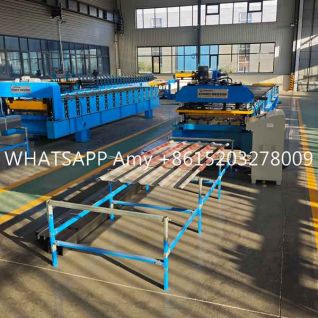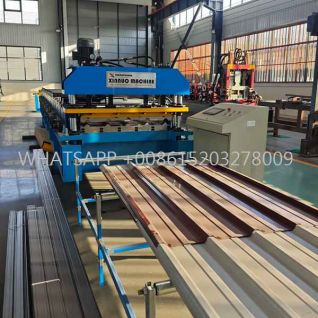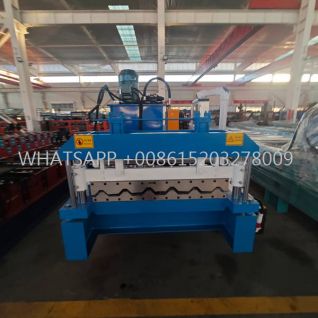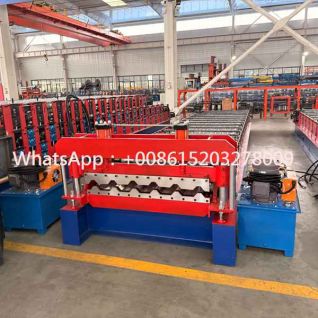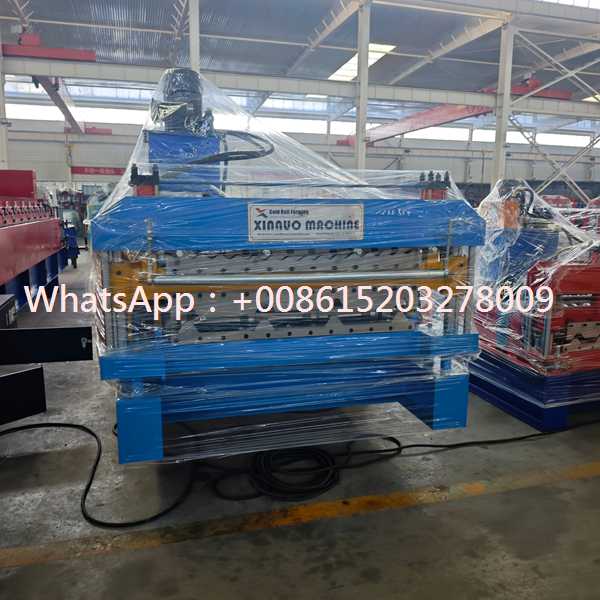
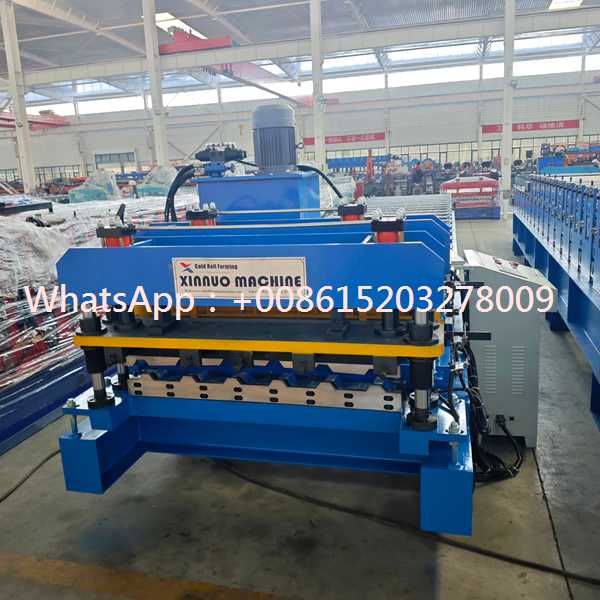
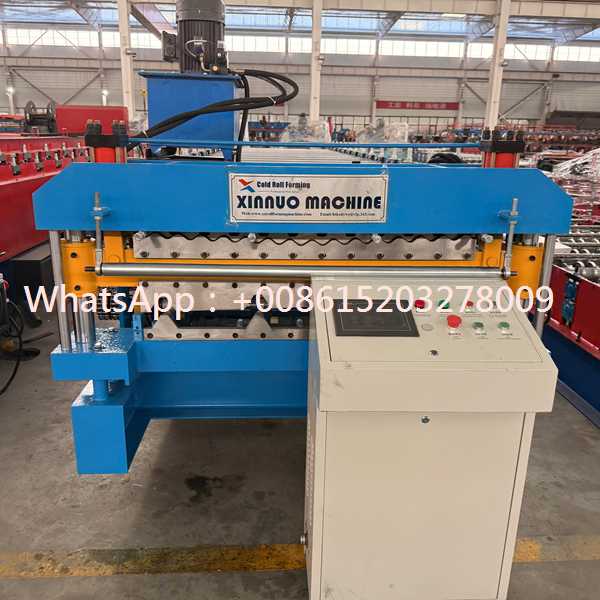
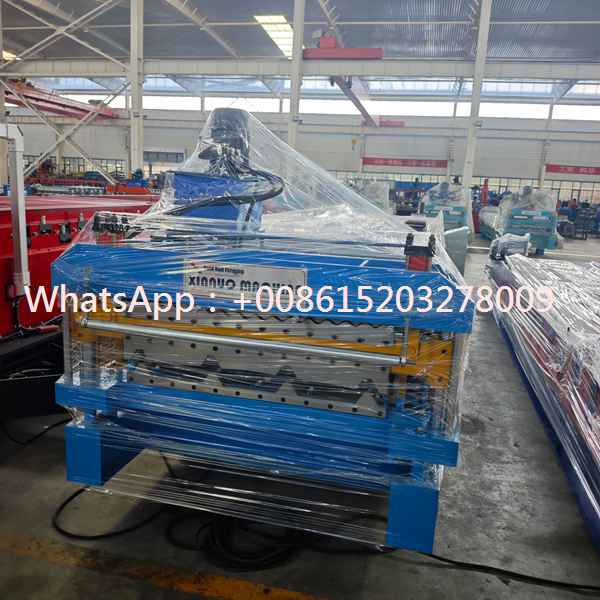
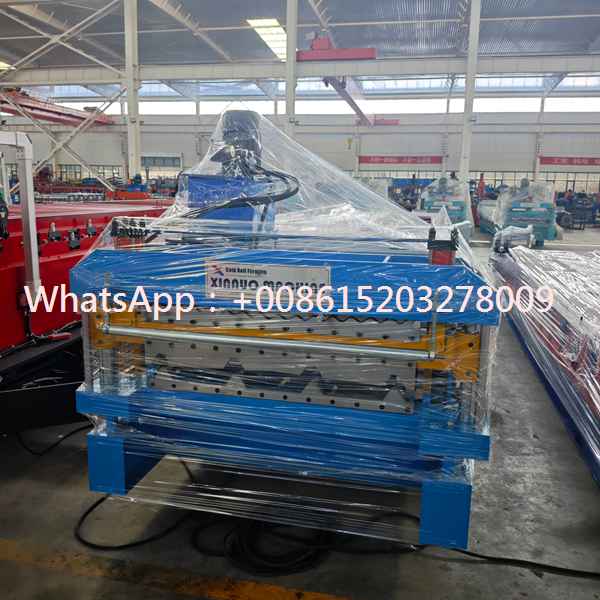
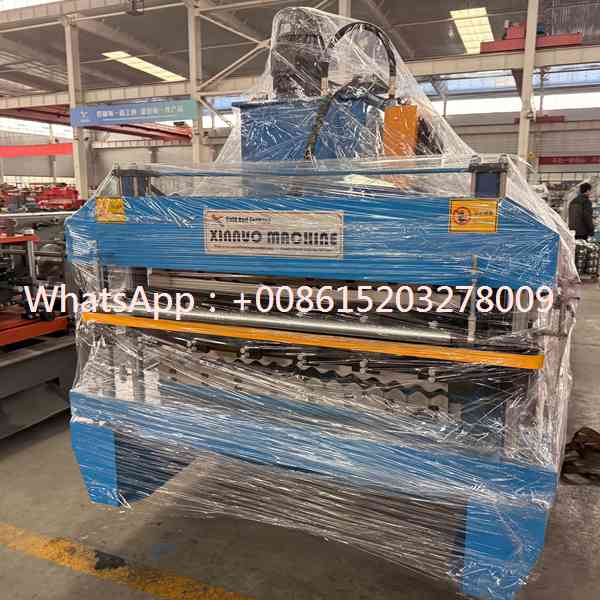
The Automatic Wall Panel Roll Forming Machine is a professional production system designed for manufacturing various types of metal wall panels used in modern construction. The machine transforms galvanized steel, pre-painted steel, Aluzinc and other metal coils into finished wall sheets with accurate dimensions, stable profiles and attractive surface appearance.
Metal wall panels are widely used for industrial buildings, steel structure workshops, warehouses, commercial facilities and prefabricated buildings. They provide excellent protection for building exteriors while offering advantages such as lightweight structure, convenient installation and long service life.
This complete roll forming line integrates coil feeding, strip guiding, progressive forming, automatic measurement and cutting functions. The system is suitable for manufacturers who need continuous production of high-quality wall cladding panels with reliable efficiency and flexible configuration.
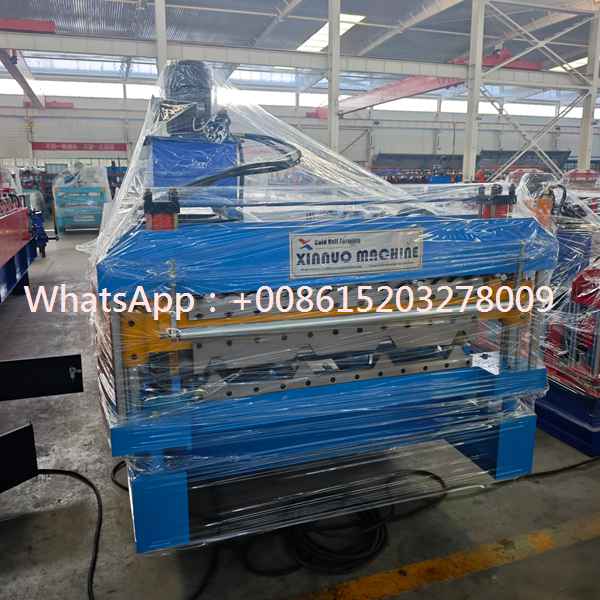
The wall panel roll forming machine is developed to produce different metal siding and cladding profiles according to customer drawings and construction requirements. Through multiple forming stations, the flat steel strip is gradually shaped into the required wall panel design.
The progressive cold forming process helps maintain consistent panel geometry by distributing forming pressure across several roller stations. This method supports smooth material deformation and improves finished product accuracy.
The machine can be customized according to panel width, rib design, material thickness, production speed and application requirements. Different wall panel models can be manufactured by changing the forming rollers and adjusting production parameters.
| Technical Item | Specification |
|---|---|
| Machine Type | Automatic Wall Panel Roll Forming Machine |
| Finished Product | Metal Wall Panel / Cladding Sheet |
| Raw Material | PPGI, GI, PPGL, Aluminum Sheet |
| Material Thickness | 0.3-0.8 mm Customized |
| Forming Method | Continuous Cold Roll Forming |
| Production Speed | 10-40 m/min Customized |
| Control System | PLC Automatic Control |
| Cutting System | Hydraulic Profile Cutting |
| Operation Mode | Automatic Continuous Production |
| Profile Design | Customized According to Drawing |
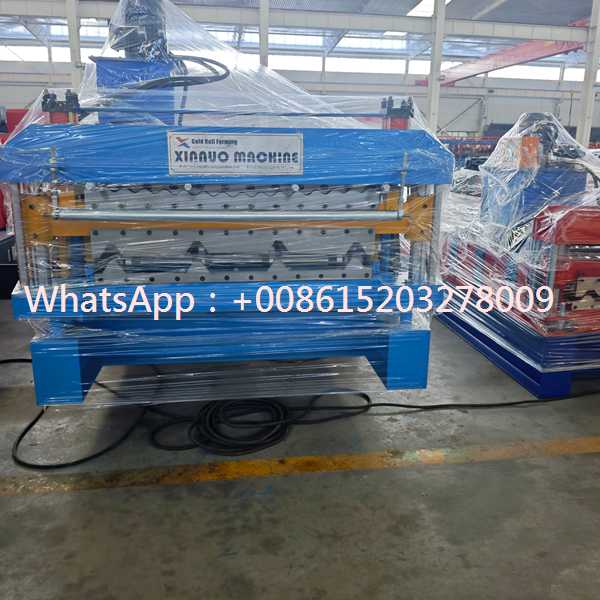
The roll forming section is the key component of the wall panel production line. It uses specially designed rollers arranged in multiple stations to gradually form the metal strip into a finished wall panel profile.
Each roller station performs a specific forming function, allowing the material to change shape smoothly while maintaining accurate dimensions. The precision roller arrangement helps achieve uniform panel width, stable rib structure and consistent appearance.
The machine frame is designed to provide strong support for the forming system. A stable structure reduces vibration during operation and improves reliability for long-term industrial production.
The production process starts with installing the steel coil onto the decoiler. The feeding system delivers the material continuously into the forming unit while maintaining smooth movement.
The guiding device controls the position of the metal strip before forming. Proper alignment helps reduce material deviation and improves the dimensional accuracy of finished wall panels.
According to different production requirements, the machine can be equipped with hydraulic decoilers, leveling units and automatic loading devices to improve operation efficiency.
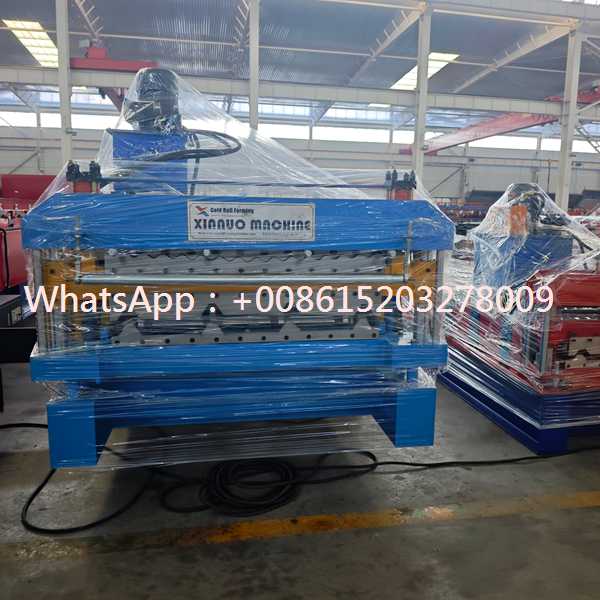
The wall panel roll forming machine uses an automatic PLC control system to manage the production process. Operators can set panel length, production quantity and machine parameters through the touch screen interface.
The control system coordinates feeding speed, forming operation and cutting action automatically. This reduces manual operation and helps maintain stable production performance.
The programmable system allows manufacturers to produce different wall panel lengths according to customer orders, improving production flexibility.
After the wall panel profile is formed, the automatic cutting system separates finished panels according to the preset length. The cutting unit is designed according to the panel profile to maintain clean edges and accurate dimensions.
Automatic cutting improves production efficiency and reduces measurement errors. Finished panels can be collected manually or connected with optional stacking equipment for easier handling.
| Production Stage | Main Function |
|---|---|
| Coil Loading | Install metal coil material |
| Material Feeding | Guide strip into forming system |
| Profile Forming | Create designed wall panel shape |
| Length Control | Measure required panel size |
| Automatic Cutting | Separate finished panels |
| Panel Collection | Prepare products for packaging |
Wall panels produced by this machine are widely used in different construction fields. Their lightweight structure and practical installation features make them suitable for various building systems.
| Optional Unit | Function |
|---|---|
| Hydraulic Decoiler | Automatic coil feeding |
| Leveling Device | Improves material flatness |
| Punching System | Creates holes according to design |
| Servo Cutting System | Improves cutting precision |
| Automatic Stacker | Organizes finished panels |
| Feature | Production Benefit |
|---|---|
| Customized Forming Rollers | Produces various wall panel profiles |
| Automatic Operation | Improves production efficiency |
| Precision Forming | Maintains stable panel quality |
| Programmable Cutting | Supports different panel lengths |
| Continuous Production | Suitable for large orders |
| Flexible Configuration | Matches different factory needs |
The Automatic Wall Panel Roll Forming Machine provides a complete manufacturing solution for producing durable metal wall cladding panels. With advanced cold roll forming technology, automatic control and customizable design options, the equipment supports efficient production for construction material suppliers.
The machine can be configured according to profile drawings, material specifications and production requirements. It helps manufacturers improve productivity, reduce manual processing and supply consistent wall panel products for modern building projects.
Xinnuo Roll Forming Machine Co., Ltd., established in 1995, is a leading enterprise specializing in the design, development, manufacturing, and sales of various cold roll forming equipment.
Located in Botou Economic Development Zone, the company benefits from a well-developed electromechanical manufacturing industry and a complete industrial chain...[ Read More >>]