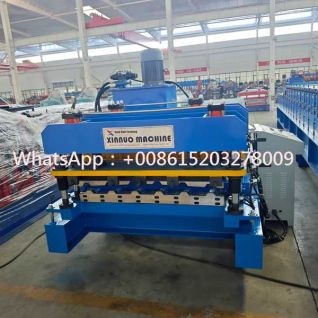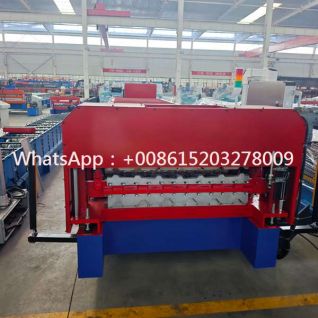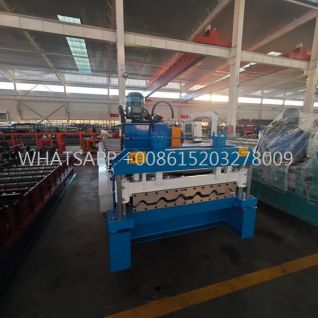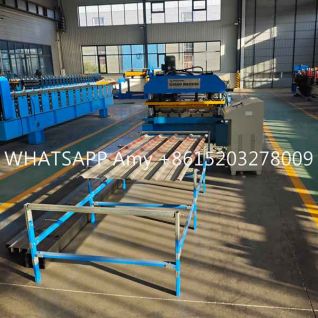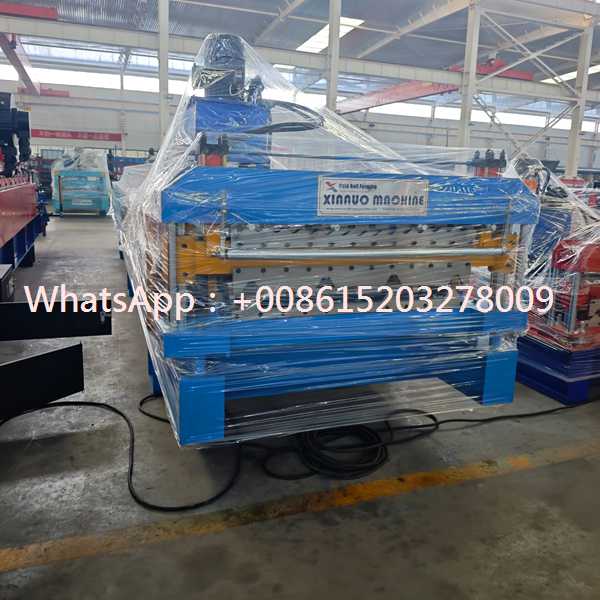
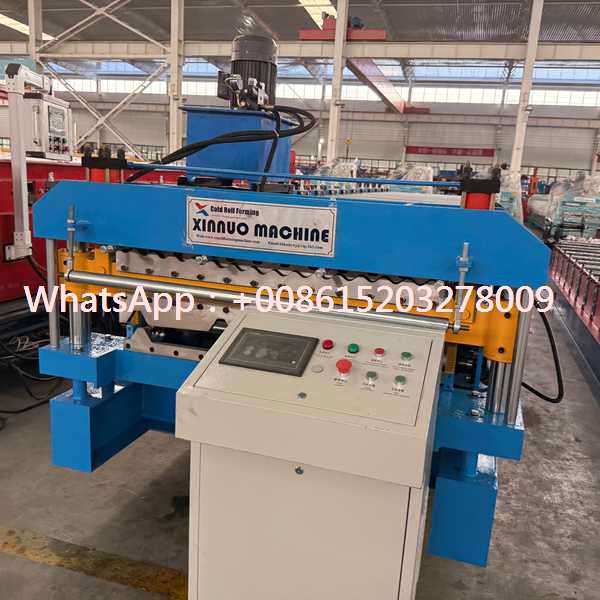
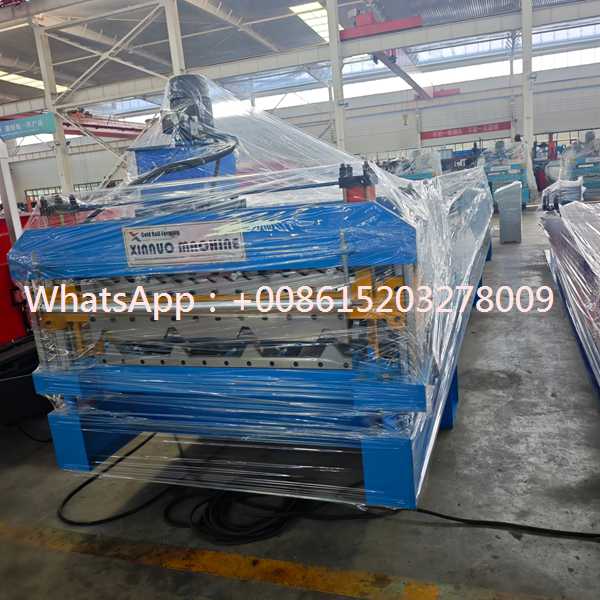
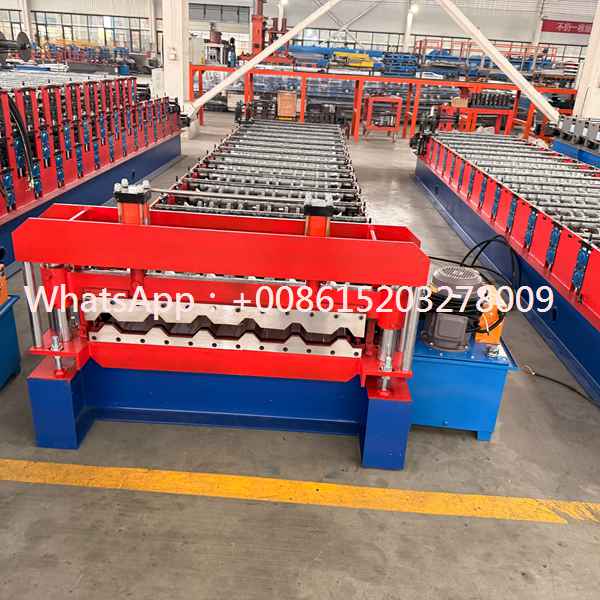
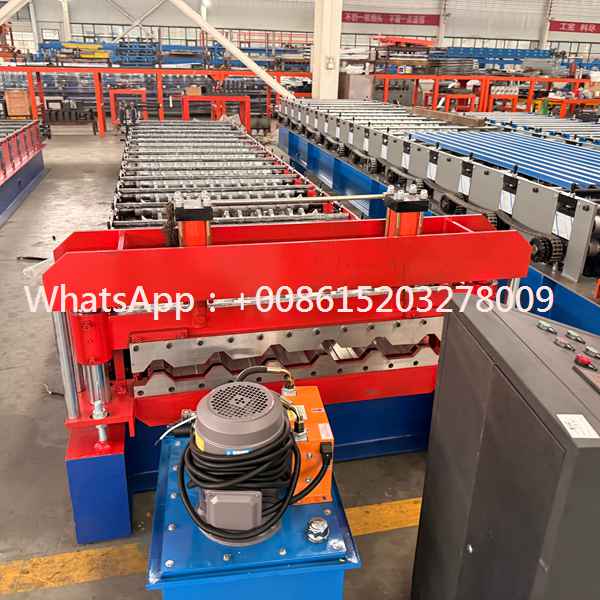
Automatic Sheet Metal Roll Forming Machines are advanced production systems designed to convert flat metal coils into accurately shaped profiles through continuous cold forming. These machines are widely used in the construction, steel structure, transportation, storage and manufacturing industries for producing roofing sheets, wall panels, structural profiles and customized metal components.
The equipment processes metal strips through a sequence of precisely designed roller stations. Each forming stage applies controlled pressure to gradually create the required profile while maintaining stable dimensions and a smooth finished surface. This continuous manufacturing method supports efficient production and consistent product quality.
Different machine configurations can be developed according to profile drawings, material specifications, production capacity and factory requirements. The system provides a flexible solution for manufacturers producing standard metal panels or specialized roll formed products.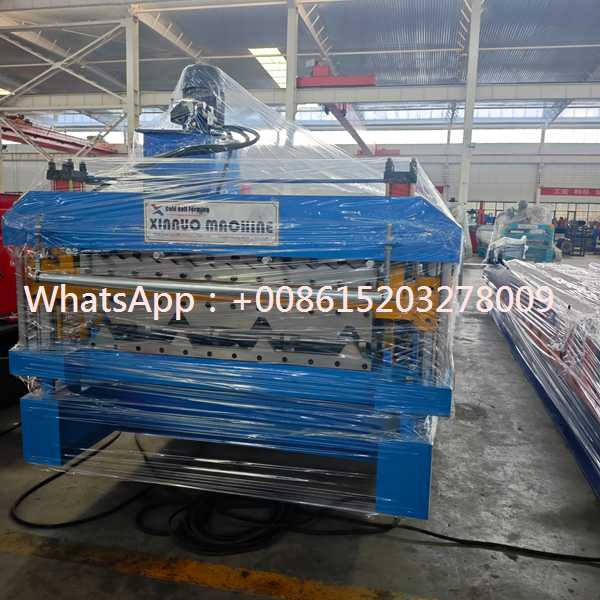
Sheet metal roll forming machines can manufacture a wide range of profiles by using customized roller designs. The equipment can be configured for roofing panels, wall cladding sheets, deck panels, purlins, channels, door components and other cold-formed metal products.
The profile dimensions, material thickness range and production functions can be adjusted according to customer requirements. This flexibility allows manufacturers to develop products for different industries without changing the overall production concept.
For projects requiring additional processing, the production line can integrate punching, embossing, cutting, labeling or material handling equipment. These optional systems can improve automation and reduce secondary operations.
The roll forming section uses a series of upper and lower rollers arranged in a carefully designed sequence. Instead of creating the final shape in one operation, the material is progressively formed through multiple stages.
This gradual process helps control material stress and supports accurate profile geometry. The roller arrangement is engineered according to the shape, width, thickness and mechanical properties of the metal material.
The forming structure is supported by a rigid machine base to maintain stable roller alignment. Reliable transmission components provide smooth power delivery during continuous production.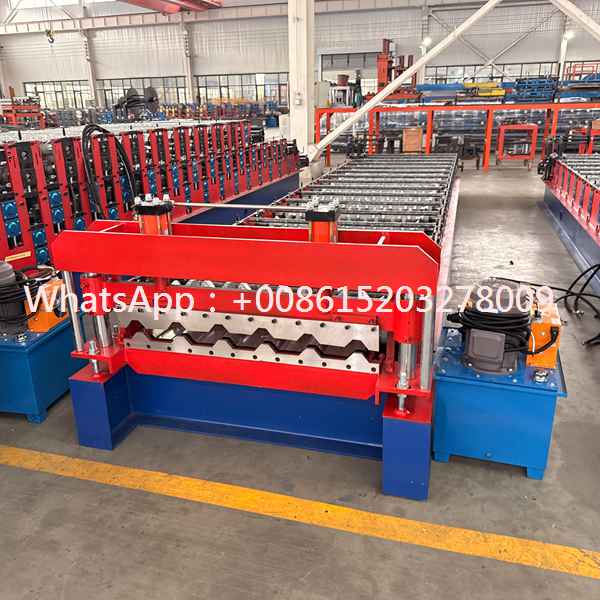
| Technical Item | Typical Configuration |
|---|---|
| Machine Type | Automatic Sheet Metal Roll Forming Machine |
| Material Type | PPGI, GI, Galvanized Steel, Carbon Steel |
| Material Thickness | 0.3-3.0 mm, Customized |
| Coil Width | According to Profile Design |
| Forming Method | Multi-Station Cold Roll Forming |
| Production Speed | 10-40 m/min, Customized |
| Drive Method | Chain, Gearbox or Servo Drive |
| Control System | PLC and Touch Screen |
| Cutting Method | Hydraulic or Servo Flying Cut |
| Profile Design | Customized According to Drawing |
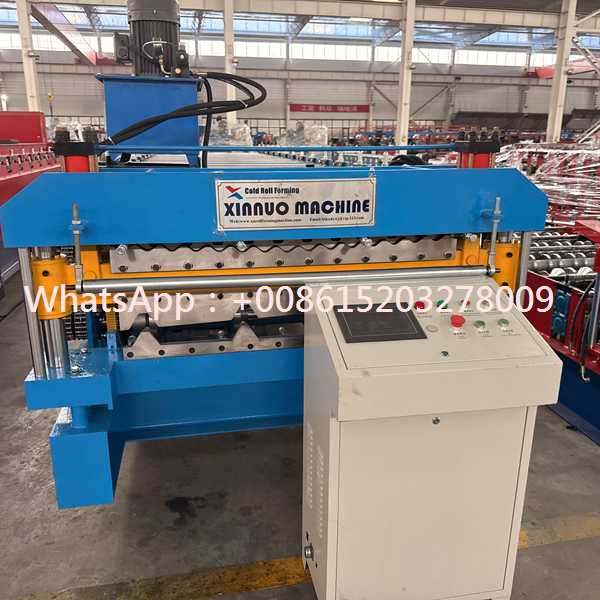
The PLC control system provides centralized management of the production line. Operators can set production length, quantity, speed and other operating parameters through the touch screen interface.
During production, the control system coordinates material movement, forming speed and cutting operations. This improves process consistency and reduces the need for repeated manual measurement.
Production data can be adjusted according to different order requirements, making the machine suitable for both standard manufacturing and customized production.
| Optional Unit | Main Function |
|---|---|
| Hydraulic Decoiler | Supports automatic coil unwinding |
| Coil Leveling Device | Improves material flatness |
| Servo Punching Unit | Creates accurate holes and slots |
| Embossing Device | Adds surface patterns |
| Automatic Cutting Unit | Controls finished product length |
| Run-Out Table | Supports finished profile collection |
The production process begins with loading a metal coil onto the decoiler. The coil is released in a controlled manner and guided into the roll forming machine. If required, the material can pass through leveling or punching equipment before entering the forming section.
The metal strip then moves through multiple roller stations, where the profile is gradually created. After the final shape is completed, the finished product is measured and cut to the required length. The completed profiles are collected for packaging, transportation or direct use.
| Production Stage | Processing Function |
|---|---|
| Coil Loading | Place raw material on decoiler |
| Material Guiding | Maintain correct strip alignment |
| Optional Processing | Leveling, punching or embossing |
| Roll Forming | Create the required profile |
| Length Measurement | Monitor product dimensions |
| Automatic Cutting | Separate finished products |
| Product Collection | Prepare profiles for delivery |
The machines support production of many cold-formed metal products used in industrial and commercial applications.
| Machine Feature | Production Value |
|---|---|
| Continuous Forming | Supports efficient long-length production |
| Customized Rollers | Produces project-specific profiles |
| Automatic Control | Reduces manual operating work |
| Integrated Processing | Combines forming and secondary operations |
| Stable Machine Structure | Supports reliable industrial operation |
| Flexible Configuration | Adapts to different production needs |
Automatic Sheet Metal Roll Forming Machines provide an efficient production solution for manufacturers requiring accurate and repeatable metal profile manufacturing. The equipment combines continuous forming technology, automatic control and customized machine design to support modern industrial production.
With suitable configuration and professional profile design, the production line can improve manufacturing capacity, reduce secondary processing and provide consistent metal products for construction, infrastructure and industrial applications.
Xinnuo Roll Forming Machine Co., Ltd., established in 1995, is a leading enterprise specializing in the design, development, manufacturing, and sales of various cold roll forming equipment.
Located in Botou Economic Development Zone, the company benefits from a well-developed electromechanical manufacturing industry and a complete industrial chain...[ Read More >>]