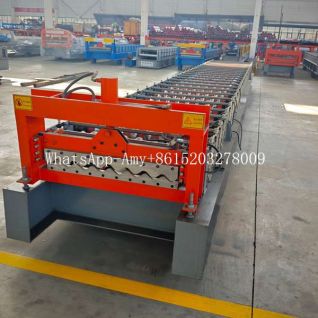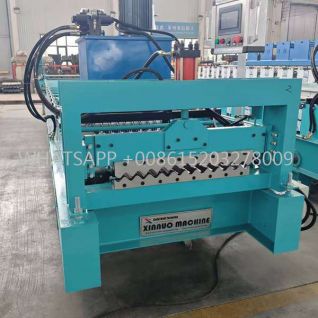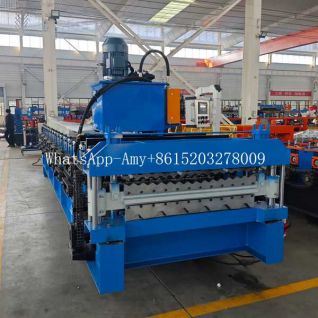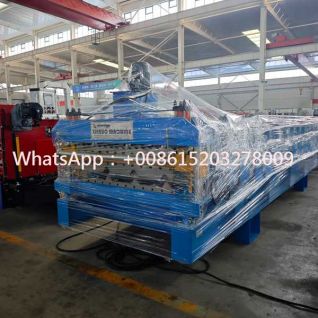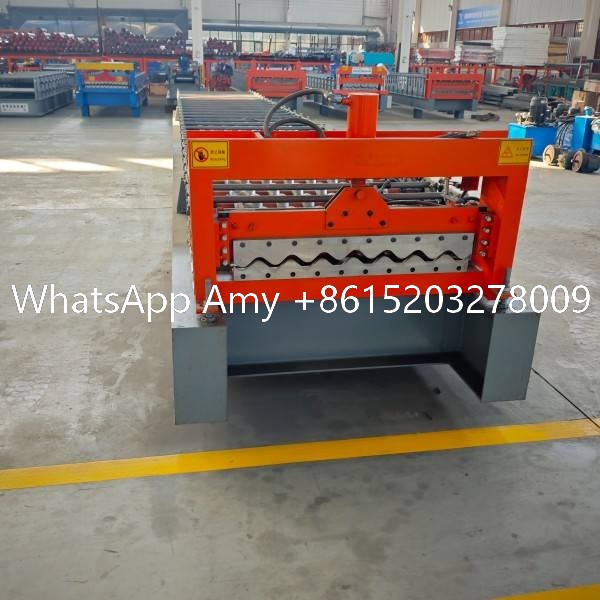
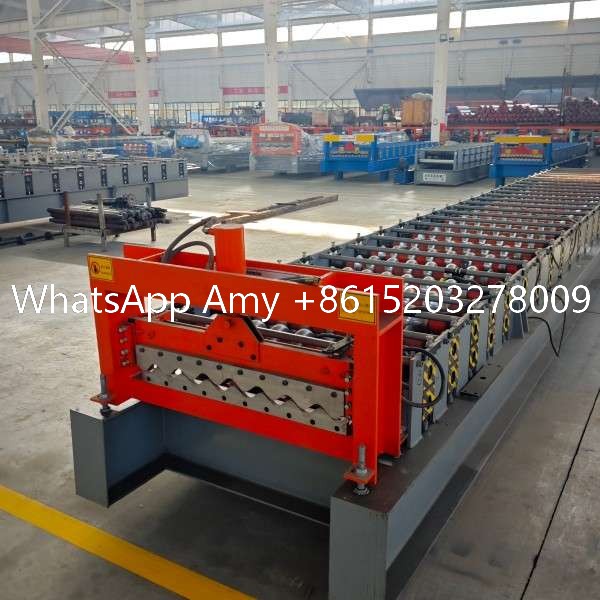
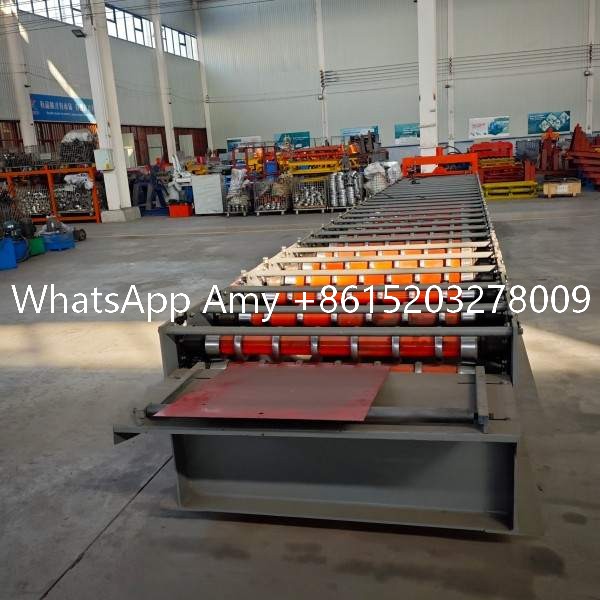
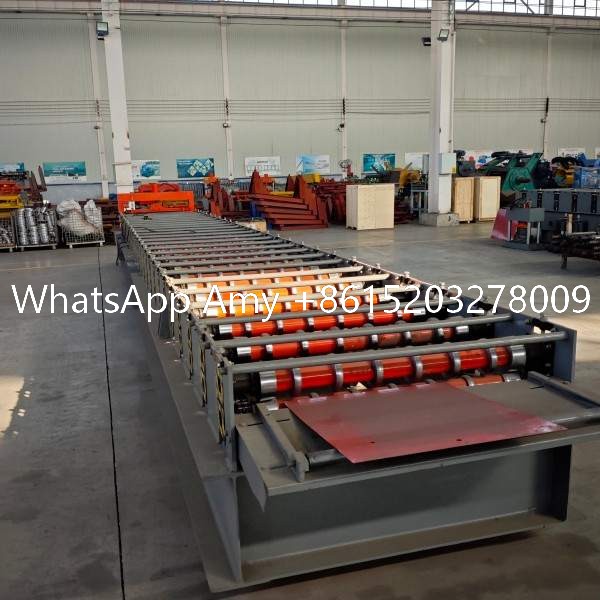
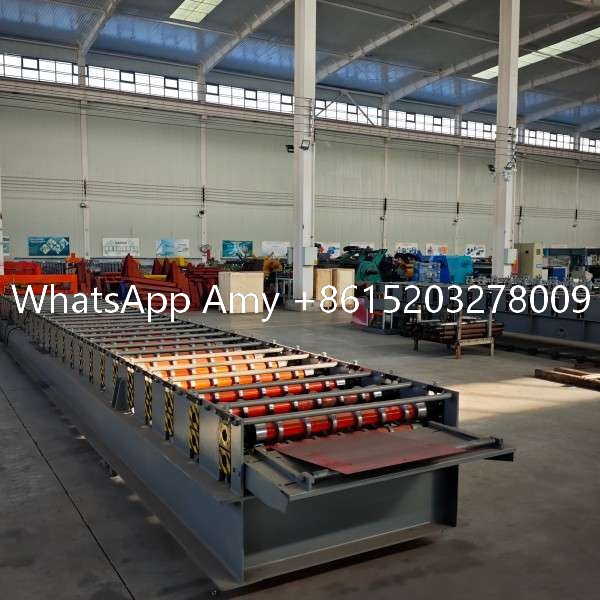
Production speed8-15m/min
Raw material max thickness0.2-0.6mm
Row number20
Under frame350mm H Steel
Roller material45# steel
Shaft diameter85mm solid shaft
Transfer method1.0 inch double chain drive
Structure14mm Steel Plate
Main motor power"11 KW
Cutter motor power4 KW
Cutter typeNon-tracking hydraulic cutting
Core Advantages of Corrugated Sheet Making Machine: Enabling Efficient Upgrades in Corrugated Sheet Production
As a key piece of equipment in the metal processing and building materials industries, the corrugated sheet making machine, with its multiple core advantages including precision, efficiency, and flexibility, has become the first choice for various corrugated sheet manufacturers. It solves the pain points of traditional processing and adapts to diversified market demands. Its advantages are concentrated in the following aspects:
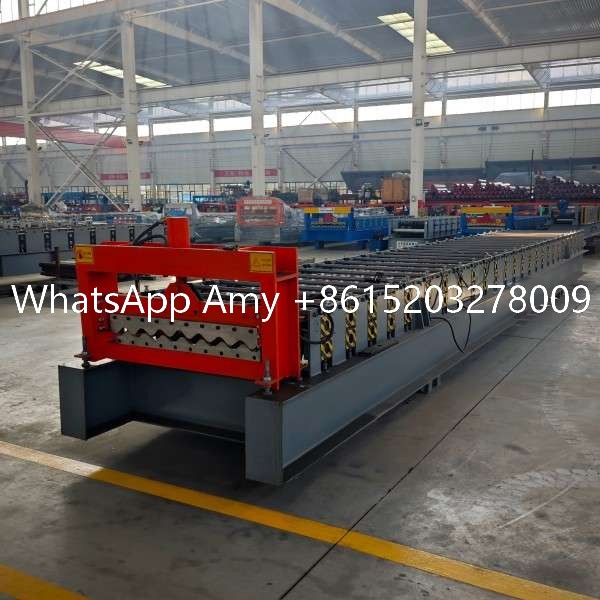
First, extremely controllable forming precision. Equipped with precision-calibrated alloy steel rollers and a PLC intelligent control system, the machine can accurately control the height, spacing, and shape of the corrugations, with tolerances strictly controlled within ±0.2mm. The uniform corrugated structure not only ensures a seamless fit when the finished product is installed but also enhances load-bearing capacity, easily resisting severe weather such as strong winds, heavy rain, and snow accumulation. It fully meets the high standards of the construction industry, avoiding dimensional deviations and structural hazards caused by traditional manual processing.
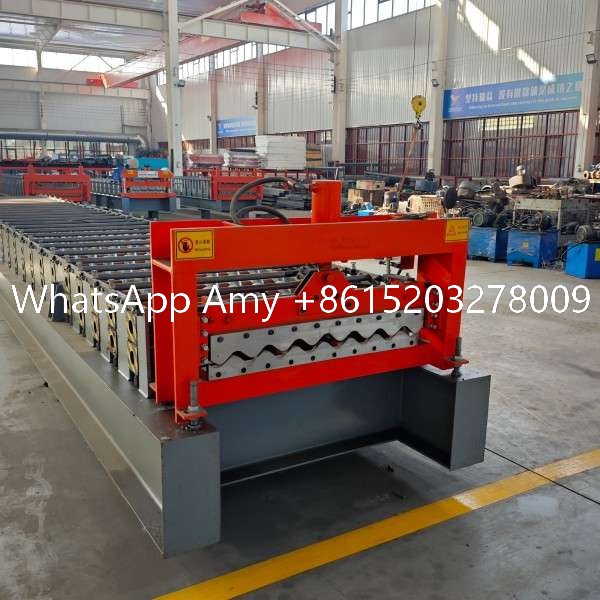
Second, industry-leading production efficiency. The fully automated production line design allows the machine to process at a speed of 10-15 meters per minute, far exceeding semi-automated or manual processing methods. This advantage allows companies to respond quickly to large-volume orders, significantly shortening production lead times, and is particularly suitable for urgent projects such as large-scale construction projects and warehousing park construction. Simultaneously, high throughput can reduce fixed costs, lower the unit production cost, and enhance the company's market competitiveness.
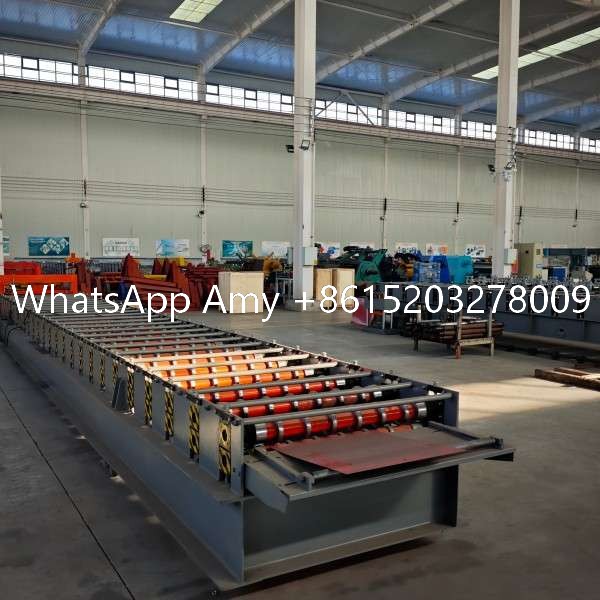
Third, it offers flexible and diverse application scenarios. Roller parameters can be quickly adjusted via a touch interface, allowing for free switching between wave height (20mm-100mm), plate thickness (0.5mm-4mm), and length (2m-12m) without complex mechanical modifications. Whether it's thick plates for building cladding, thin plates for agricultural greenhouses, or special requirements for customized corrugated patterns, the equipment can efficiently adapt, balancing large-scale mass production with niche customized orders.
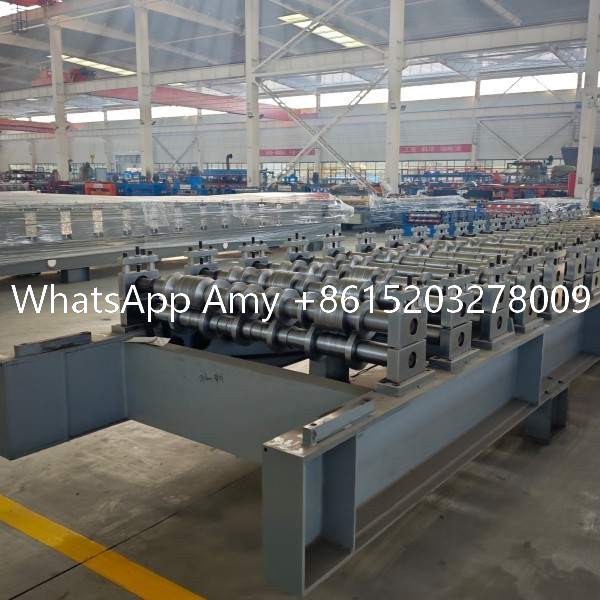
Fourth, it is highly durable and easy to maintain. The machine body is welded from thickened steel plates, ensuring a robust structure capable of withstanding high-intensity operation for 24 hours continuously; the core rollers are treated with a hard chrome coating, making them wear-resistant and corrosion-resistant, with a service life of over 10 years. Meanwhile, the equipment design simplifies maintenance processes; roller cleaning and parts replacement do not require a professional team, significantly reducing downtime and lowering operating costs.
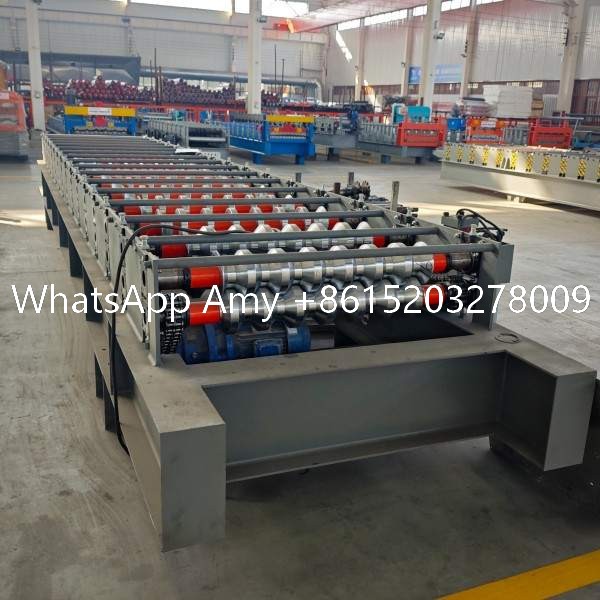
Fifth, it offers dual optimization of cost and environmental protection. The optimized roller pressing path and precise length cutting system control material loss to within 3%, significantly reducing raw material waste. The energy-saving motor saves 15% more electricity than traditional models, resulting in substantial energy cost savings over the long term. Furthermore, the equipment operates at a noise level below 75dB, meeting workplace safety standards, and the generated metal scrap is recyclable, aligning with green production trends and helping companies build an environmentally friendly image.
In summary, the corrugated sheet making machine, with its core advantages of "high precision, high efficiency, high flexibility, and low loss," perfectly adapts to the corrugated sheet production needs of various fields such as construction, agriculture, and warehousing. It improves product quality and production efficiency while reducing overall costs, becoming a core component driving the standardization and large-scale development of the corrugated sheet industry.
Xinnuo Roll Forming Machine Co., Ltd., established in 1995, is a leading enterprise specializing in the design, development, manufacturing, and sales of various cold roll forming equipment.
Located in Botou Economic Development Zone, the company benefits from a well-developed electromechanical manufacturing industry and a complete industrial chain...[ Read More >>]