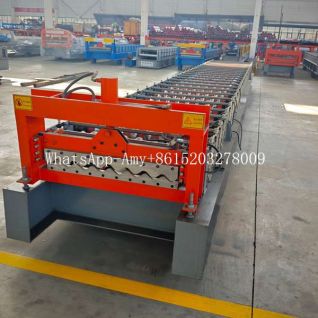
Corrugated roof sheet making is a specialized and highly systematized metal processing technology that lies at the core of the global construction roofing materials industry. This craft is dedicated to transforming flat metal coils—primarily galvanized steel, aluminum alloy, and color-coated steel—into sturdy, wavy corrugated roof sheets with superior load-bearing capacity, corrosion resistance, and weatherproof performance. The end products are essential for a wide range of building projects, from industrial factories and logistics warehouses to agricultural greenhouses and residential sheds, providing cost-effective and long-lasting roofing solutions that adapt to diverse climatic conditions worldwide.
The workflow of corrugated roof sheet making is a seamless integration of automation and precision engineering, divided into five key stages to ensure consistent product quality. First comes raw material selection and preparation, a critical step that determines the durability of the final roof sheets. Manufacturers typically choose galvanized steel coils for outdoor applications, as the zinc coating provides excellent anti-rust protection; aluminum alloy coils are preferred for lightweight projects, while color-coated coils are selected for buildings requiring aesthetic appeal. Each coil is inspected for thickness uniformity and surface defects to avoid flaws in subsequent processing.
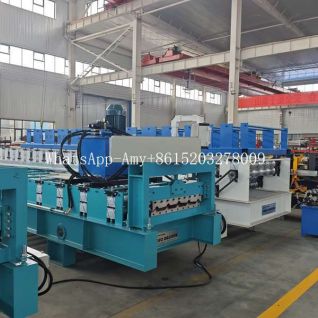
The second stage is uncoiling and leveling. The selected metal coils are loaded onto an uncoiling machine, which feeds the material steadily into the production line without tangling. The metal sheet then passes through a leveling module, where a set of precision rollers eliminate internal stress and surface irregularities caused by long-term coil storage. This step is vital, as uneven sheets will lead to distorted wave patterns, compromising the structural integrity of the roof sheets and their ability to withstand wind and snow loads.
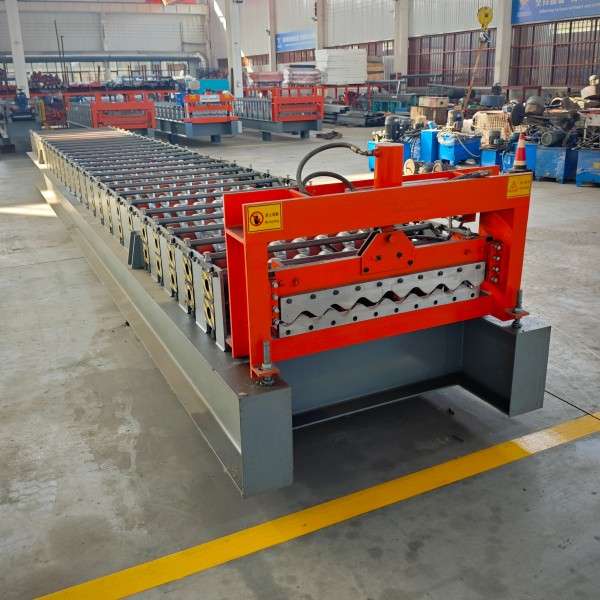
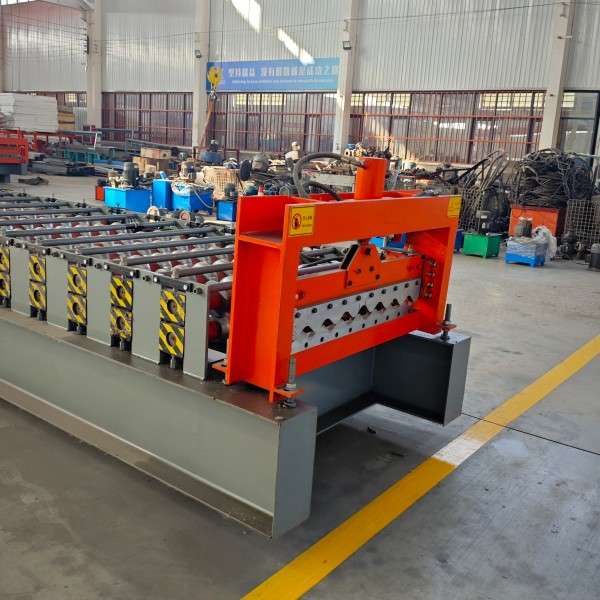
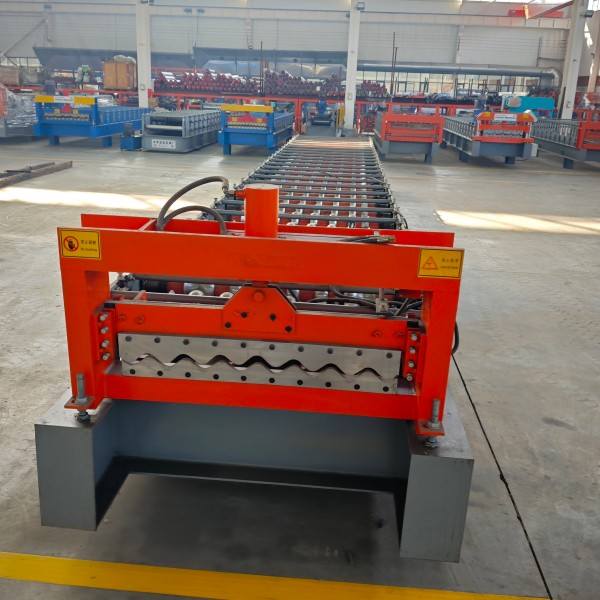
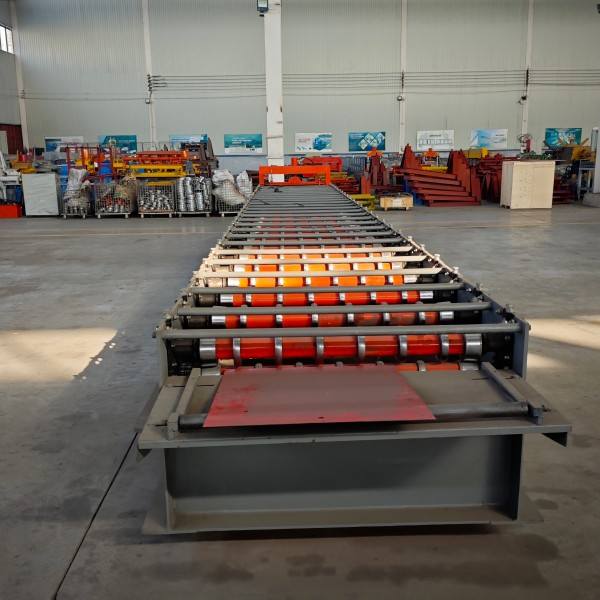
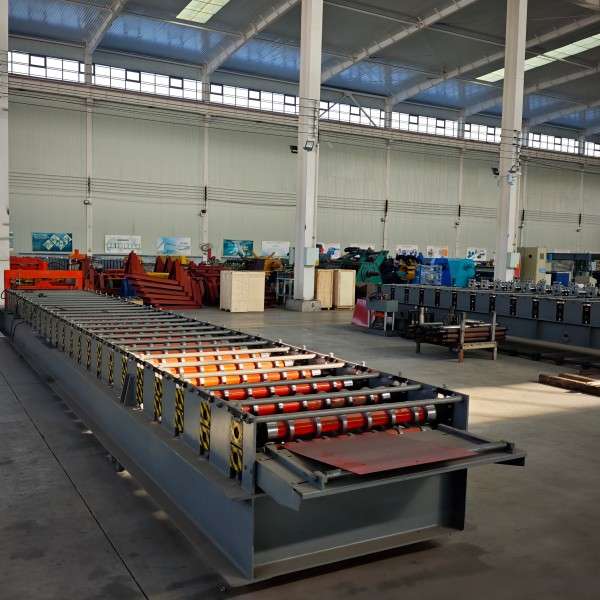
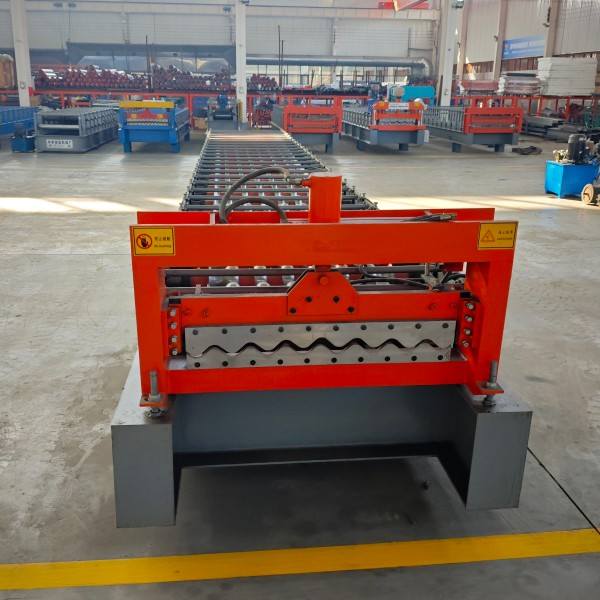
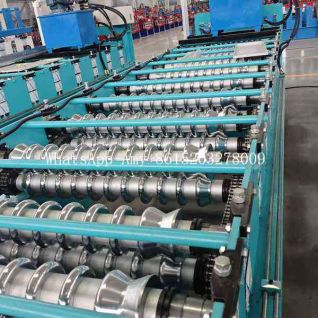
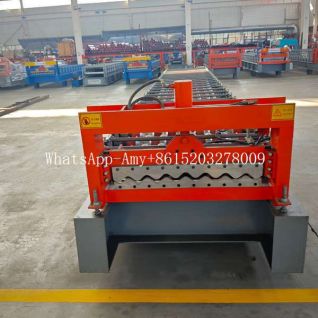
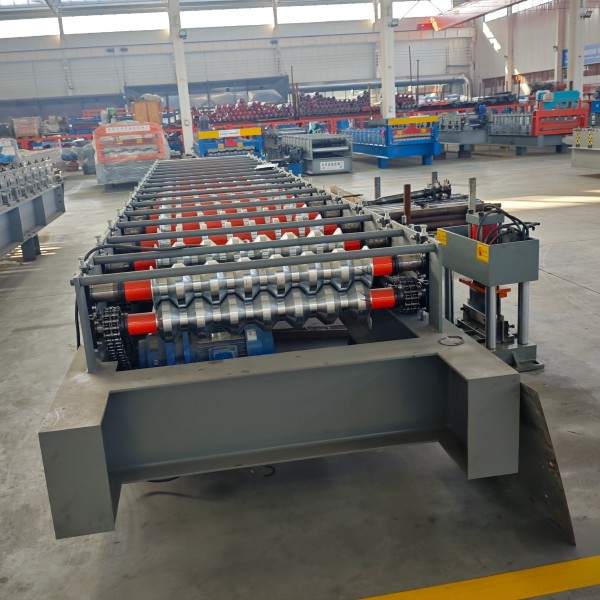
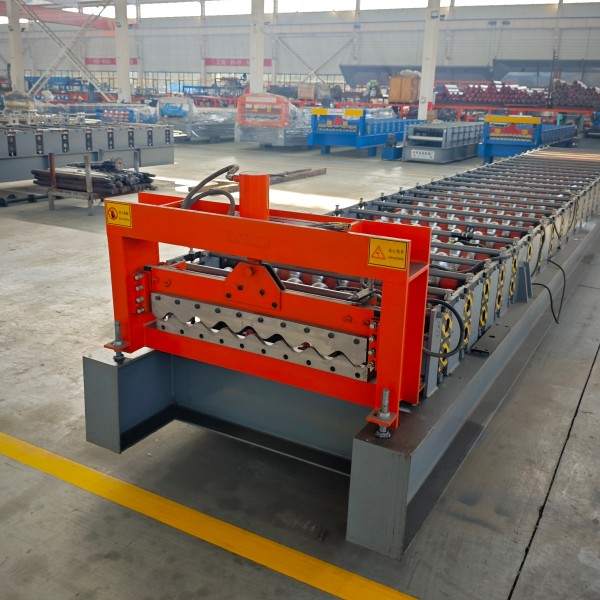
The third and core stage is roll forming, where the flattened metal sheet enters a series of calibrated upper and lower rollers. These rollers exert synchronized pressure to bend the sheet into regular, evenly spaced waves— the signature structure of corrugated roof sheets. The wave height and spacing can be adjusted according to project requirements: for example, 30mm wave height is suitable for small sheds, while 70–100mm wave height is designed for large factories that need to bear heavy snow loads. Unlike traditional manual bending methods, this automated roll forming process ensures that every sheet has identical wave dimensions, with a tolerance of ±0.2mm, guaranteeing seamless installation on-site.
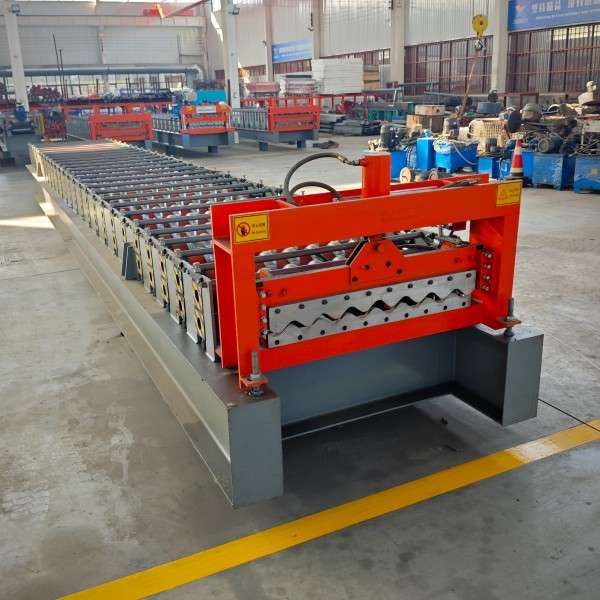
The fourth stage is fixed-length cutting and shaping. A PLC-controlled cutting system trims the formed corrugated sheet to preset lengths (ranging from 2m to 12m) based on customer orders. Some advanced production lines also add edge trimming and hole punching functions at this stage, making the roof sheets ready for direct installation without additional processing. The final stage is post-processing and quality inspection. Optional post-processing steps include additional anti-rust painting, film coating to prevent surface scratches, and packaging with waterproof materials. Inspectors then conduct rigorous checks on wave uniformity, dimensional accuracy, and corrosion resistance to ensure each batch of products meets international construction standards.
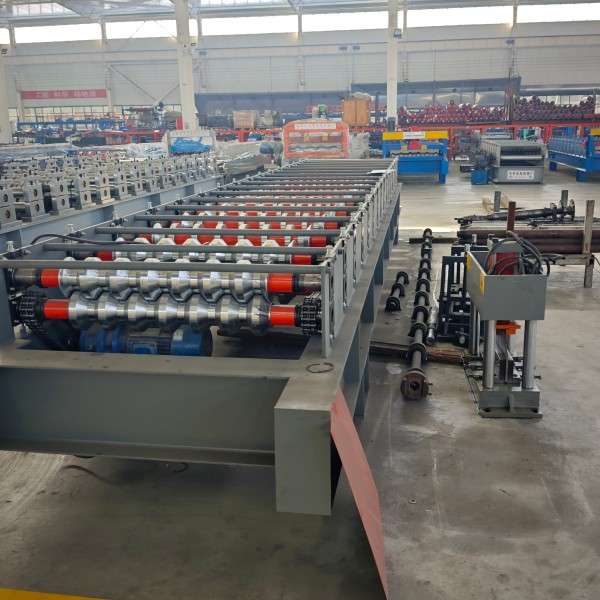
Corrugated roof sheet making stands out for its remarkable advantages in efficiency, cost-effectiveness, and flexibility. In terms of efficiency, a fully automated production line can process 10–15 meters of roof sheets per minute, far outpacing semi-automatic methods and enabling manufacturers to meet large-batch orders within tight deadlines. For cost-effectiveness, the optimized workflow minimizes material waste to less than 3%, with leftover scrap metal recyclable for further use, significantly reducing raw material costs. The craft also offers strong flexibility: operators can switch between different roof sheet specifications in minutes via a user-friendly touch interface, catering to both standard and custom project needs.
The application scenarios of corrugated roof sheets made through this craft are extensive. In industrial construction, they are used for factory and warehouse roofs, as their high load-bearing capacity can withstand extreme weather conditions such as typhoons and heavy snow. In agriculture, they serve as greenhouse roofs, balancing light transmission and insulation to promote crop growth. In residential and temporary construction, they are ideal for sheds, carports, and disaster relief shelters due to their quick installation and low cost.
As the global construction industry continues to prioritize sustainability and cost-efficiency, corrugated roof sheet making will remain a vital craft, providing reliable, affordable roofing solutions that support the development of diverse building projects across the globe.