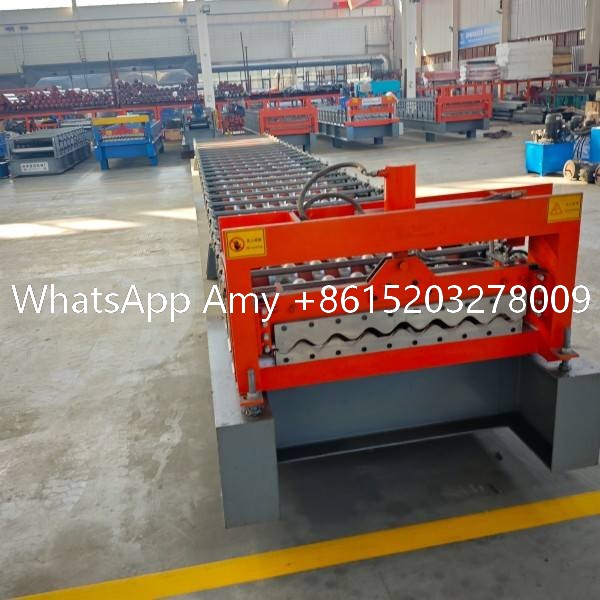
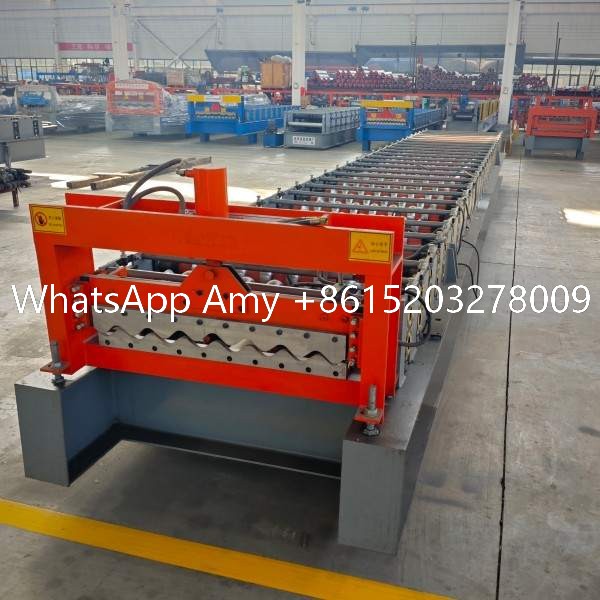
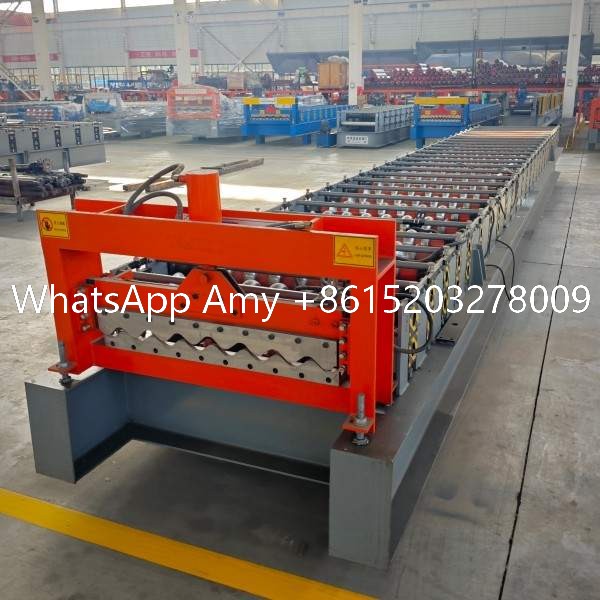
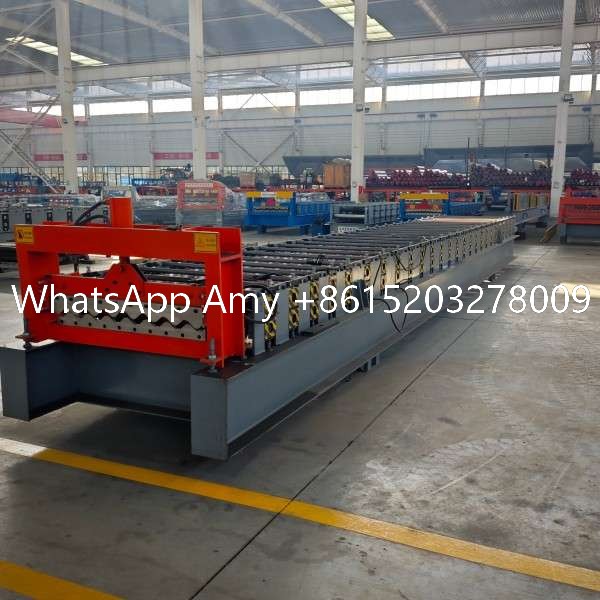
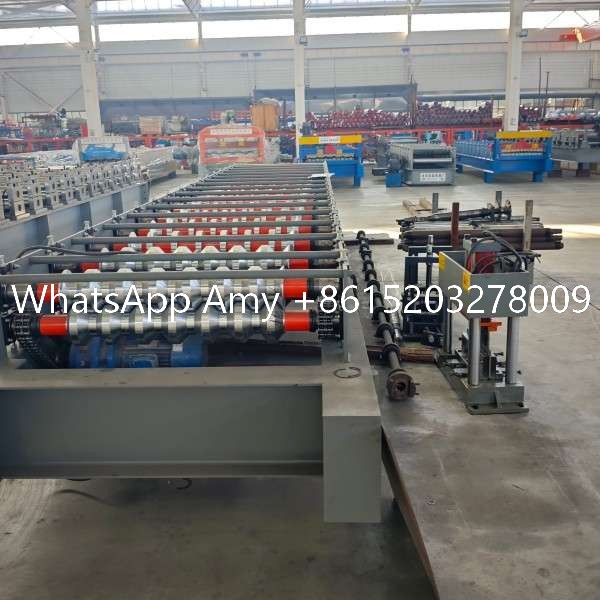
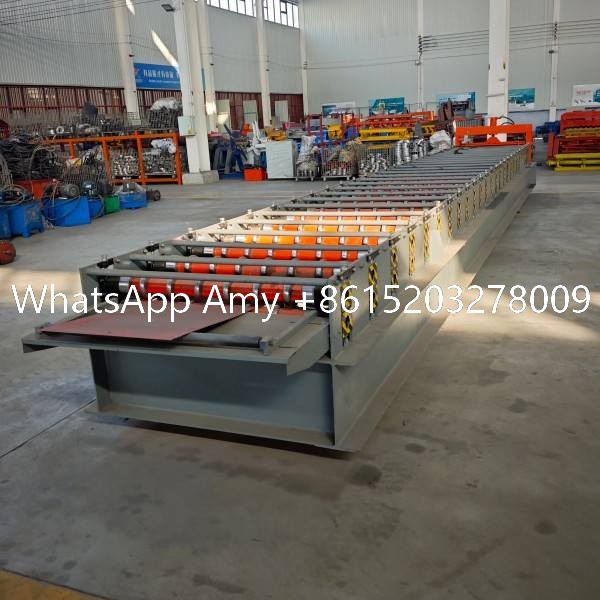
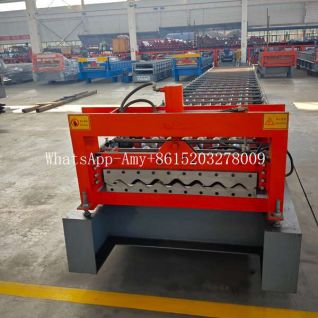
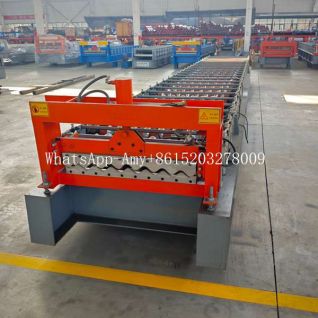
Corrugated iron sheet making is a core metal processing technology that underpins the production of one of the most widely used building materials in the global construction industry. This systematic craft transforms flat metal coils—primarily galvanized steel, cold-rolled steel and aluminum alloy—into durable, wavy corrugated sheets characterized by superior structural strength, corrosion resistance and cost-effectiveness.
The finished products serve as critical components for roof and wall cladding, industrial workshop enclosures, logistics warehouse partitions, agricultural greenhouse frames and temporary construction shelters, catering to both large-scale infrastructure projects and small-scale residential building needs.
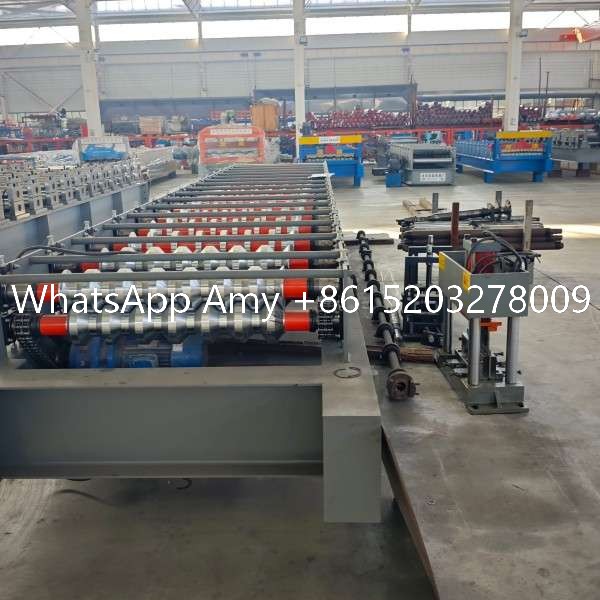
The craft of corrugated iron sheet making follows a streamlined, four-stage workflow that integrates automation and precision engineering to ensure consistent product quality. First comes the raw material preparation stage: metal coils are inspected for surface defects, thickness uniformity and corrosion resistance, with galvanized steel coils being the most preferred due to their ability to withstand harsh weather conditions. Next is the uncoiling and leveling process: the selected coils are fed into an uncoiling machine that releases the metal sheet steadily, followed by a leveling module that eliminates internal stress and surface irregularities caused by long-term coil storage. This step is crucial, as uneven sheets can lead to inconsistent wave formation and compromised structural integrity of the final product.
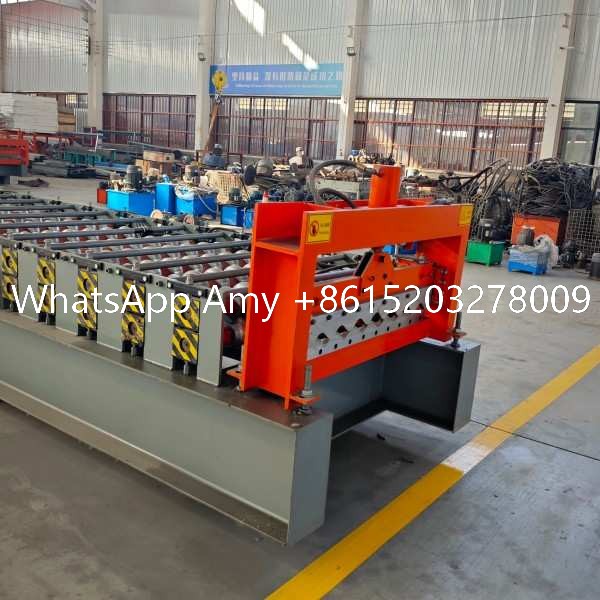
The third and core stage is roll forming, where the flattened metal sheet passes through a set of precision-calibrated upper and lower rollers. These rollers exert synchronized pressure to bend the sheet into regular, evenly spaced waves, with the wave height and spacing adjustable according to project requirements—ranging from 20mm to 100mm in wave height to suit different load-bearing needs. Unlike traditional manual bending methods, this automated roll forming process ensures that every sheet has identical wave dimensions, with a tolerance of ±0.2mm. The final stage is cutting and post-processing: a PLC-controlled fixed-length cutting system trims the formed corrugated sheet to preset lengths (from 1m to 12m), while optional post-processing steps—such as additional galvanizing, powder coating or anti-rust painting—enhance the sheet’s durability and aesthetic appeal.
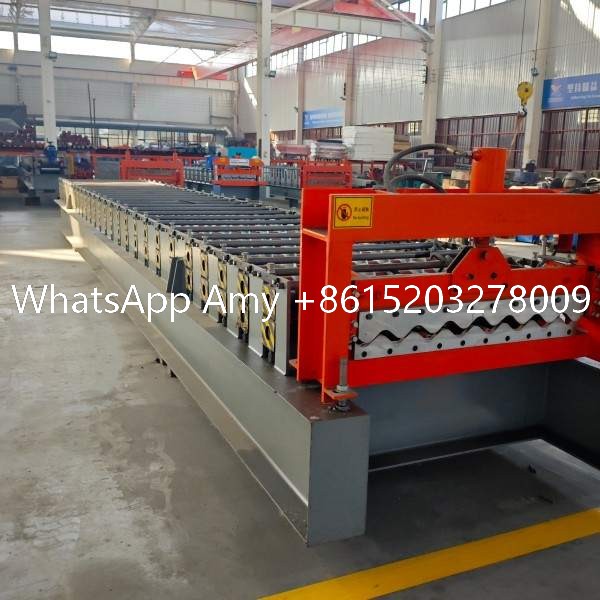
Corrugated iron sheet making stands out for its remarkable advantages in efficiency, precision and sustainability. In terms of efficiency, a fully automated production line can process 10–15 meters of corrugated sheet per minute, far outpacing manual or semi-automatic methods and enabling manufacturers to meet large-batch production demands. For precision, the integration of intelligent control systems ensures that wave shapes, sheet dimensions and thickness are consistent across all products, meeting strict engineering standards for construction projects. On the sustainability front, the optimized workflow minimizes material waste to less than 3%, with leftover scrap metal recyclable for further processing, aligning with global green manufacturing trends.
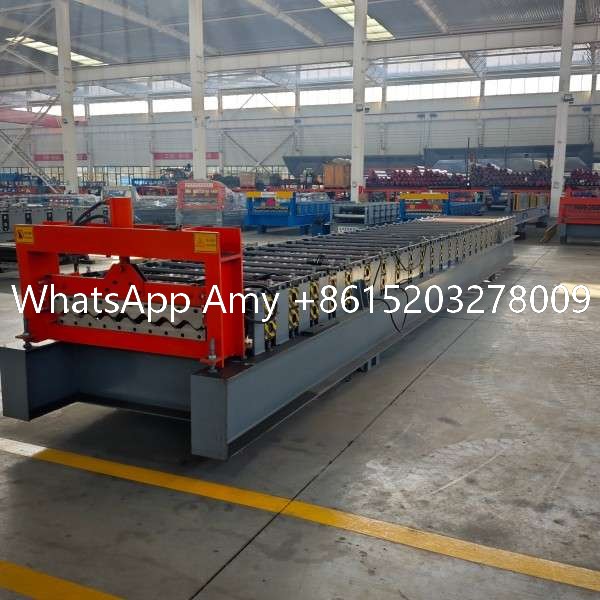
Quality control is a key priority throughout corrugated iron sheet making. Inspectors conduct real-time checks during each production stage, verifying wave uniformity, sheet flatness and dimensional accuracy. Finished sheets are also subjected to load-bearing and corrosion resistance tests to ensure they can withstand strong winds, heavy rains and extreme temperatures. This rigorous quality control process ensures that the final products are reliable and long-lasting, with a service life of up to 20 years in outdoor environments.
As the global construction industry continues to prioritize cost-effectiveness and sustainability, corrugated iron sheet making plays an increasingly pivotal role in supplying high-quality, affordable building materials. Its ability to balance efficiency, precision and environmental friendliness makes it an indispensable craft for supporting the development of industrial infrastructure, affordable housing and agricultural facilities worldwide.