| Item | Description |
|---|---|
| Process Name | Roof Sheet Roll Forming |
| Process Type | Continuous cold roll forming |
| Output Product | Metal roofing sheets |
| Input Material | Galvanized steel, pre-painted steel, Al-Zn steel |
| Material Thickness | 0.3 – 1.2 mm |
| Forming Method | Multi-stage progressive forming |
| Production Mode | Continuous operation |
| Length Control | Automatic measurement system |
| Cutting Method | Hydraulic or servo-controlled cutting |
| Control System | PLC-based automation |
| Customization | Profile shape, sheet width, length |
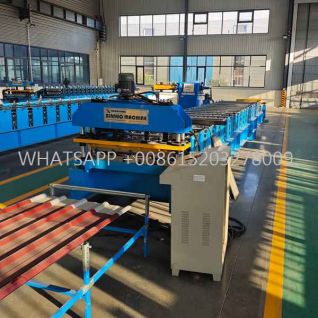
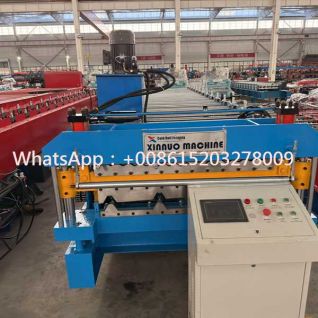
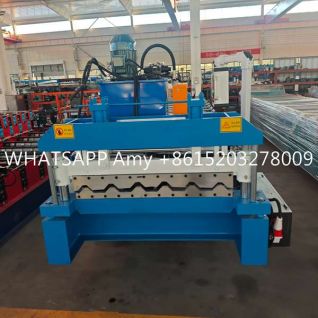
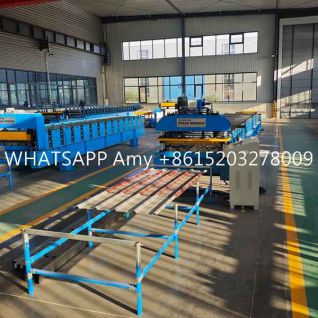
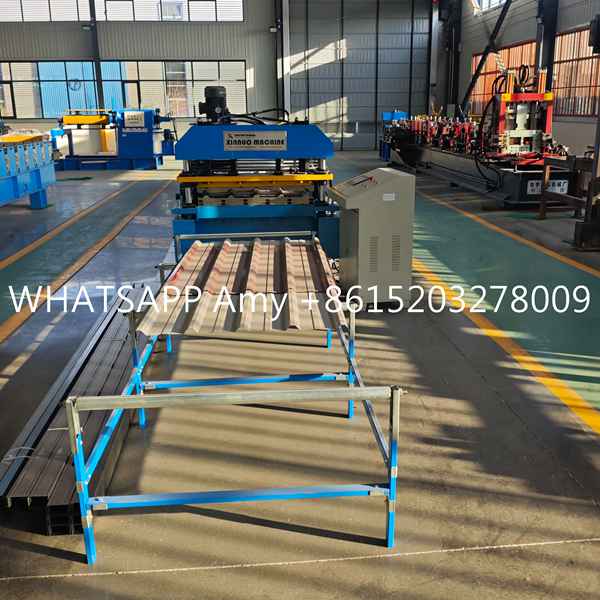
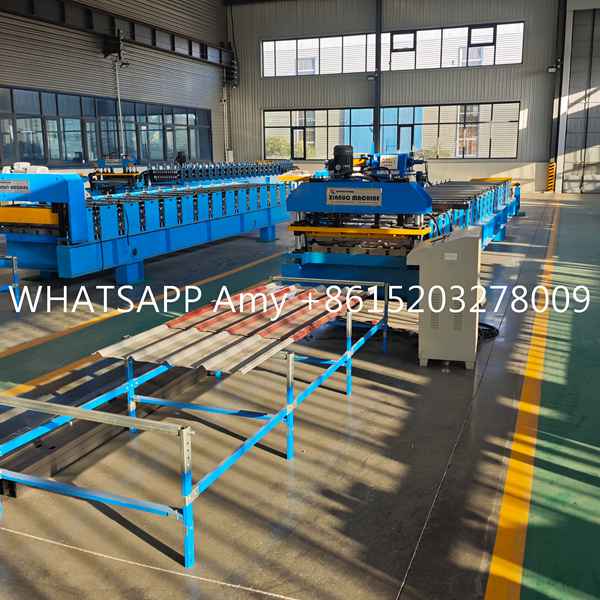
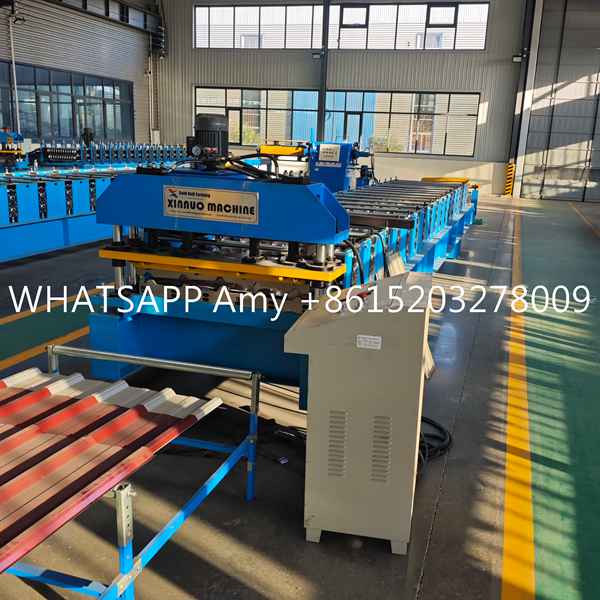
Roof sheet roll forming is a cold forming manufacturing process used to produce metal roofing sheets from coiled steel material. The process gradually shapes flat metal strips into defined roofing profiles through a series of forming rollers, ensuring consistent geometry and structural performance.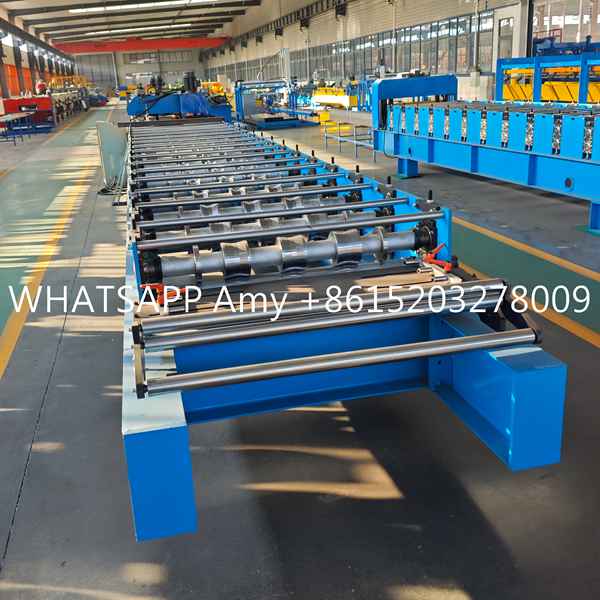
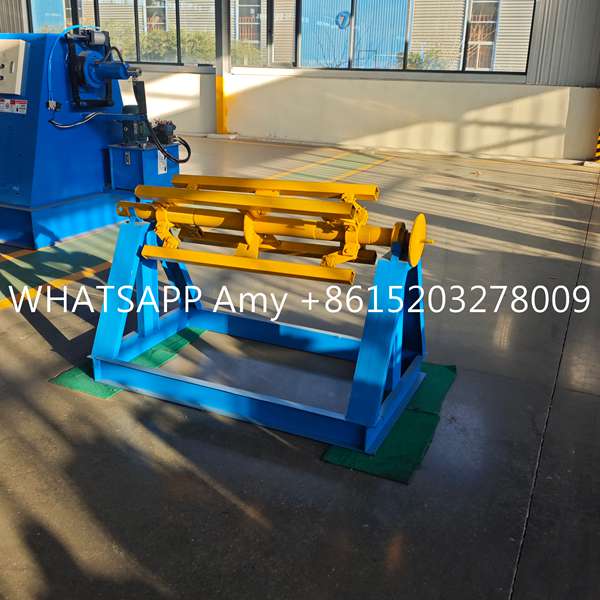
Unlike batch-based forming methods, roof sheet roll forming operates as a continuous process. Metal coils are uncoiled, guided into forming stations, progressively shaped, and cut to length in one uninterrupted production line. This workflow supports high output and stable quality control.
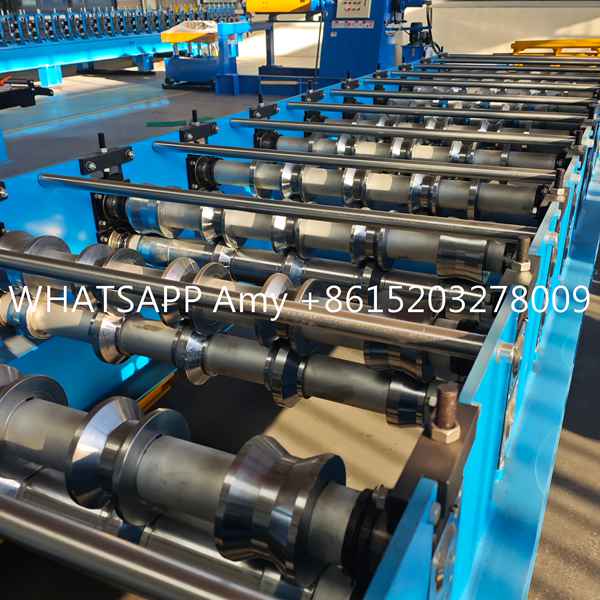
Each forming station in the roll forming line applies a controlled bending action to the metal strip. This gradual shaping approach prevents sudden deformation, reduces internal stress, and helps maintain uniform sheet thickness and straightness along the entire roofing sheet.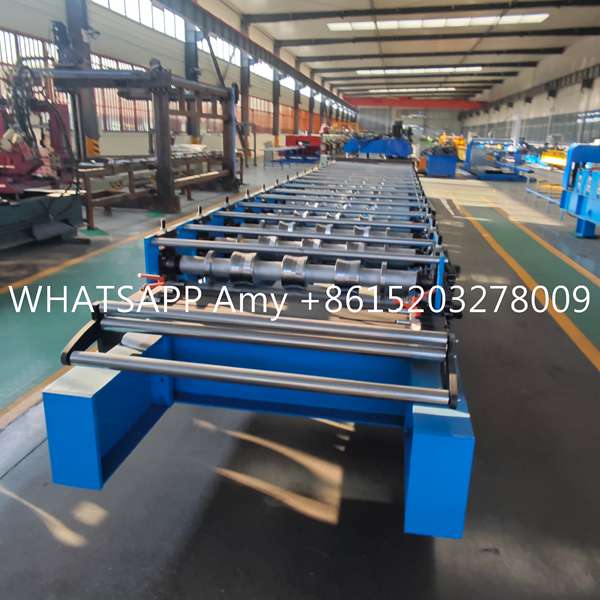
Roof sheet roll forming is widely used due to its ability to produce roofing sheets with consistent dimensions. Accurate roller alignment and controlled forming pressure ensure that each sheet meets specified width, rib height, and profile tolerance requirements.
Modern roof sheet roll forming systems integrate automatic length measurement and synchronized cutting. This ensures precise sheet length control, clean cutting edges, and minimal material waste, which is critical for efficient roofing installation on construction sites.
The roof sheet roll forming process can be configured to support various roofing sheet designs, including different rib patterns, wave shapes, and panel widths. This adaptability allows manufacturers to respond to diverse architectural and structural roofing requirements.
Roof sheet roll forming is suitable for industrial-scale manufacturing due to its repeatability, efficiency, and low scrap rate. The process supports long production runs while maintaining stable output quality, making it ideal for roofing system suppliers.
Roofing sheets produced through roll forming are commonly used in:
Industrial and commercial roofing systems
Steel structure buildings
Warehouses and logistics facilities
Agricultural and infrastructure projects
By combining continuous operation, controlled forming logic, and automation support, roof sheet roll forming provides a cost-effective and reliable manufacturing solution for producers focused on consistent roofing sheet quality and long-term production efficiency.
Xinnuo Roll Forming Machine Co., Ltd., established in 1995, is a leading enterprise specializing in the design, development, manufacturing, and sales of various cold roll forming equipment.
Located in Botou Economic Development Zone, the company benefits from a well-developed electromechanical manufacturing industry and a complete industrial chain...[ Read More >>]