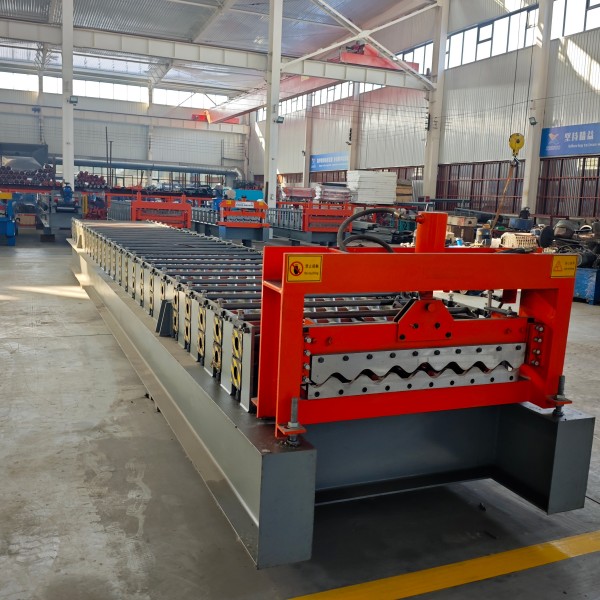
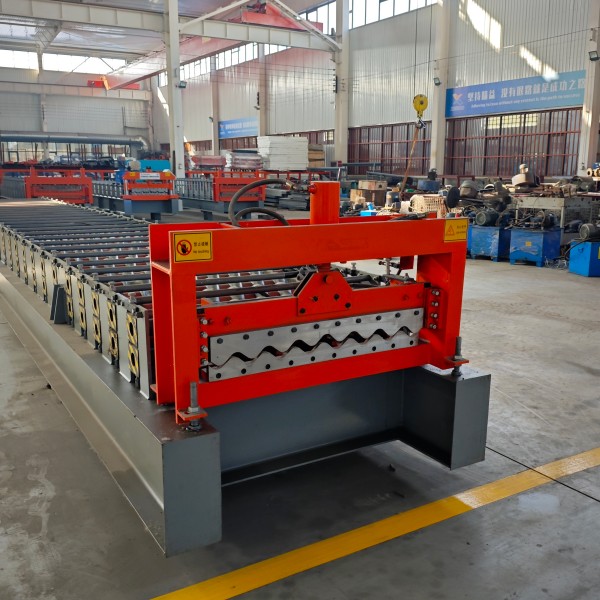
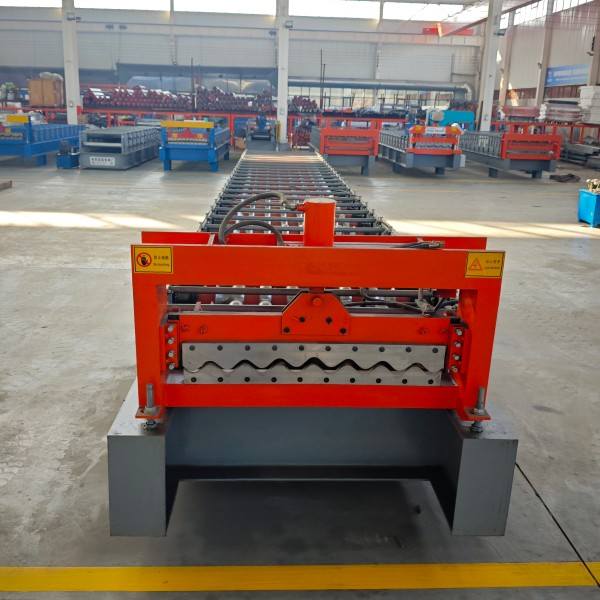
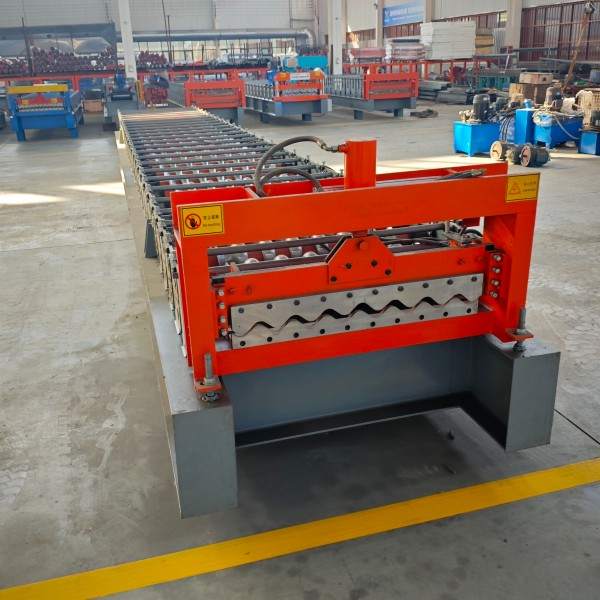
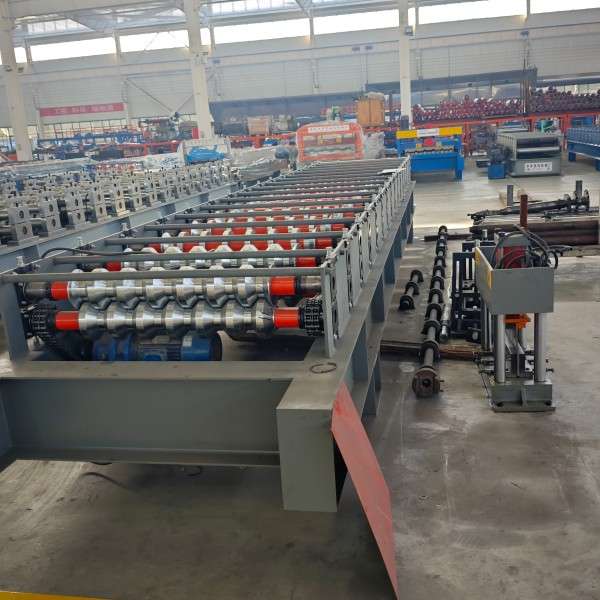
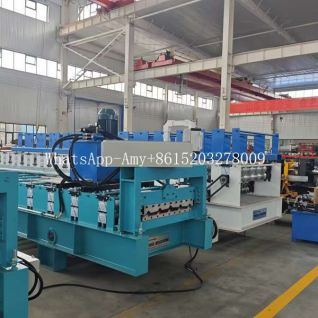
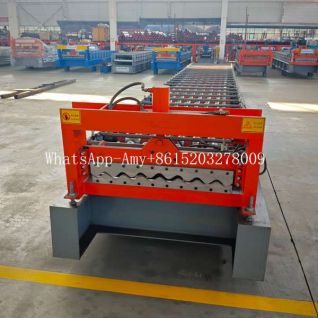
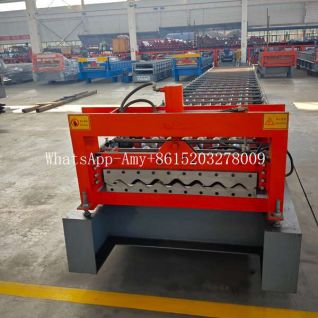
The corrugated iron making machine is a core piece of automated equipment in the metal processing and construction industries, specifically engineered to transform flat metal coils—including galvanized steel, cold-rolled steel, and aluminum alloy—into sturdy, wavy corrugated iron sheets. These sheets are renowned for their excellent load-bearing capacity, corrosion resistance, and cost-effectiveness, making them a staple material for roof and wall cladding, industrial workshop enclosures, temporary construction shelters, logistics warehouse partitions, and agricultural greenhouse frames. As such, the machine plays an indispensable role in supporting both large-scale infrastructure projects and small-scale construction needs.
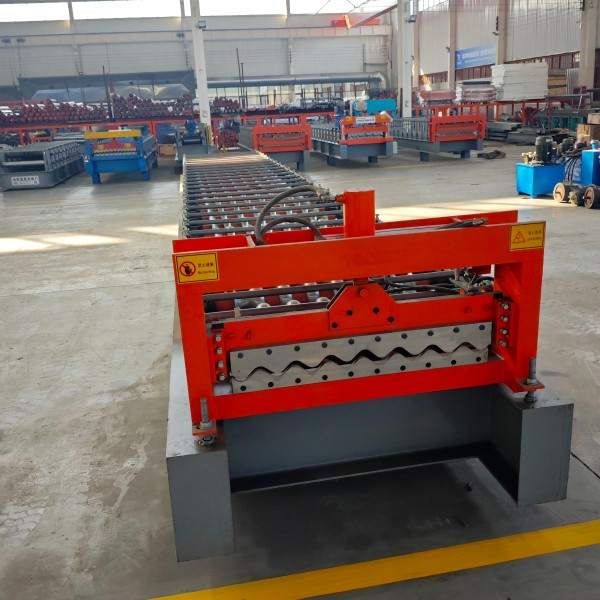
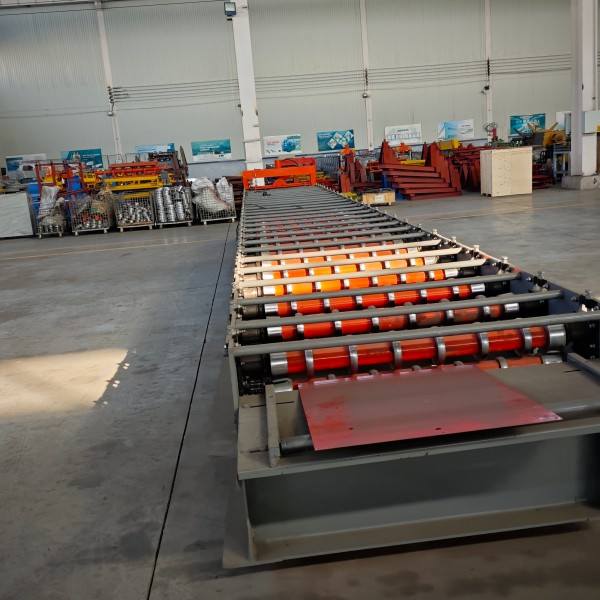
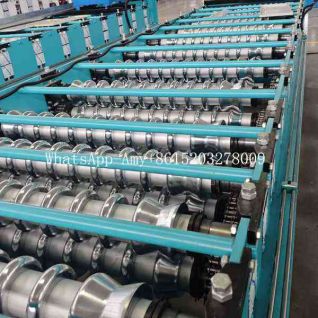
At the heart of its functionality lies a streamlined continuous roll forming process, integrated with four key modular systems to achieve seamless, high-efficiency production from raw material to finished product. The workflow starts with the uncoiling unit, which steadily feeds metal coils into the system while eliminating coil tangling and ensuring a smooth material supply. Next, the leveling module flattens the metal sheet, removing internal stress and surface irregularities caused by coil storage—this step is critical for ensuring uniform corrugation and consistent sheet thickness in the final product. The flattened sheet then enters the core corrugating unit, where a set of precision-engineered upper and lower rollers exert synchronized pressure to bend the metal into regular, evenly spaced waves; the roller spacing and depth can be adjusted to produce corrugated sheets of different specifications, ranging from 30mm to 100mm in wave height.
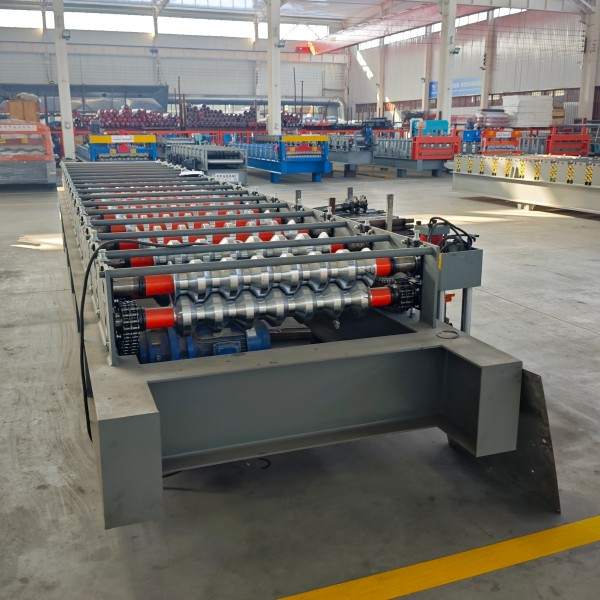
Finally, the PLC-controlled cutting system trims the formed corrugated iron to preset lengths, from 1m to 12m, meeting the diverse dimensional requirements of construction projects.
The machine’s performance advantages make it a favored choice among manufacturers and construction enterprises alike.
First, its forming precision is outstanding: the calibrated corrugating rollers and intelligent control system ensure that wave spacing and height variation are within ±0.2mm, avoiding uneven stress points that could reduce the sheet’s structural integrity. Second, it delivers exceptional production efficiency—a single production line can process 10–15 meters of corrugated iron per minute, far outpacing traditional manual bending methods and enabling large-batch production to meet tight project deadlines. Third, it maximizes material utilization: the optimized roller path and minimal edge trimming design reduce raw material waste to less than 3%, significantly lowering operational costs for users.
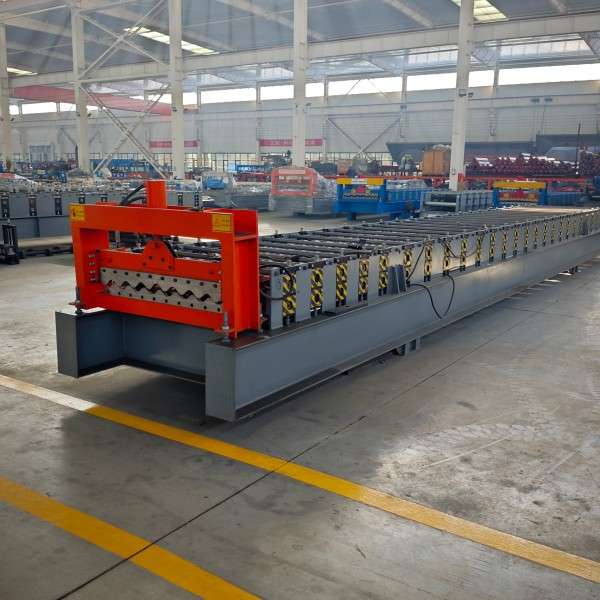
Beyond efficiency and precision, the corrugated iron making machine excels in flexibility and durability, catering to the needs of both large-scale factories and small-and-medium-sized processing workshops. Operators can switch between different corrugated sheet specifications in minutes via a user-friendly touch control interface, without the need for complex mechanical disassembly or replacement of roller components.
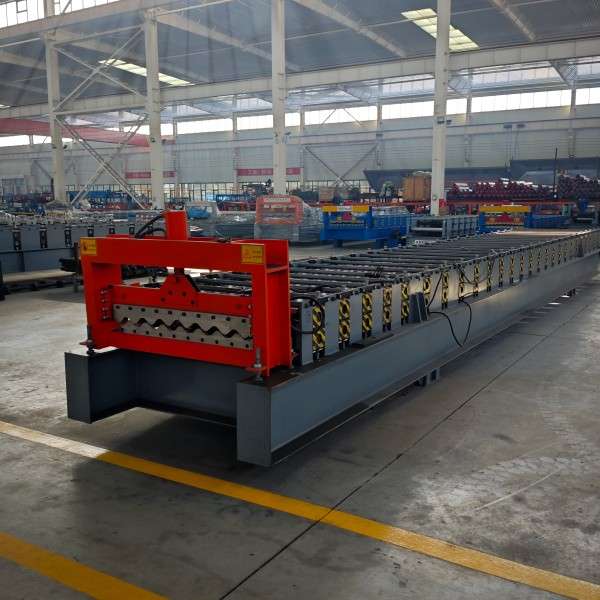
The machine’s frame is constructed from thickened steel plates, ensuring stable operation even during 24-hour continuous production shifts, while the corrugating rollers are made from wear-resistant alloy steel with a hard chrome-plated surface, extending the equipment’s service life to over 10 years and reducing maintenance frequency. Additionally, the machine adheres to modern environmental and energy-saving standards, featuring a low-noise gearbox and energy-efficient motor that cut power consumption by 15% compared to conventional models, while minimizing operational noise to meet workplace environmental regulations.
As the global construction industry shifts toward cost-effective, sustainable building materials, the corrugated iron making machine continues to gain traction for its ability to produce high-quality, durable corrugated sheets at scale. Its versatility, efficiency, and reliability make it a cornerstone of modern building cladding processing, supporting the development of affordable housing, industrial infrastructure, and agricultural facilities across the globe.